Friday, January 31, 2025

Elegant Outdoor Woodworking Plans for Every Season

The scent of freshly cut cedar, the satisfying thud of hammer meeting nail, the sun warming your back as you craft—outdoor woodworking offers a unique blend of creativity and connection with nature. Whether you're a seasoned craftsman or a weekend warrior, this guide provides elegant project plans adaptable to each season, transforming your outdoor space into a personal haven.

Spring: Rebirth and Renewal

Spring's gentle warmth and burgeoning life inspire projects that celebrate new beginnings. Think light, airy designs that enhance your garden's vibrant palette. Forget bulky, heavy structures; embrace the elegance of simplicity.

A Trellis for Climbing Roses

Construct a graceful trellis to support climbing roses or other flowering vines. Use pressure-treated pine or cedar for durability. Start by creating a sturdy base frame, then add vertical slats spaced evenly apart to create a lattice pattern. Consider incorporating decorative elements like curved tops or scrolled accents for an added touch of elegance. Paint it a soft, pastel shade to complement your garden's blooms. The finished trellis will not only provide support for your plants but will also serve as a stunning focal point in your outdoor space.

A Birdhouse Village

Create a charming birdhouse village using various sizes and styles of birdhouses. Use reclaimed wood for a rustic touch, or opt for brightly painted new wood for a more playful feel. Vary the designs to reflect the different bird species that frequent your garden, ensuring each house offers the right size and entrance hole. Mount them on a sturdy post or branch for a whimsical addition to your landscape.

Summer: Sun-Drenched Creations

Summer's long, sun-drenched days call for projects designed for relaxation and outdoor entertaining. Focus on comfortable seating and functional additions that enhance your enjoyment of the warmer weather.

A Rustic Adirondack Chair

The iconic Adirondack chair is a timeless classic, perfect for relaxing on a summer afternoon. Choose wide, comfortable planks of cedar or redwood for this project. Precise cuts are key to achieving the chair's characteristic sloping backrest and wide arms. Pre-drill all holes to prevent splitting the wood. Apply a weather-resistant finish to protect the chair from the elements and enjoy countless hours of comfortable outdoor relaxation.

A Planter Box with Integrated Seating

Combine functionality and style by building a planter box with built-in seating. This project allows you to grow herbs, flowers, or vegetables while providing a convenient place to rest. Construct a sturdy box from pressure-treated lumber, then add wide, comfortable seating planks on top. Line the interior with landscape fabric to prevent soil from seeping through. Fill with potting soil and your favorite plants for a beautiful and practical addition to your patio or deck.

Autumn: Harvest Hues and Cozy Gatherings

Autumn's warm colors and crisp air inspire projects that celebrate harvest and the cozy comfort of gathering with loved ones.

A Wine Rack for the Patio

Build a rustic wine rack to store your favorite bottles for outdoor gatherings. Use reclaimed barn wood for a truly vintage look, or opt for new wood with a distressed finish. Design the rack to fit your specific needs and space, incorporating shelves and dividers to keep your bottles organized and secure. This project will add a touch of rustic charm to your patio or deck.

A Firewood Holder

As the evenings grow cooler, a firewood holder becomes increasingly essential. Construct a sturdy and attractive rack to keep your firewood organized and dry. Use treated lumber for durability, and consider adding decorative features like a slanted roof or curved supports. Ensure the design allows for easy access to the wood while maintaining a visually appealing aesthetic. This functional and stylish addition will enhance your outdoor fireplace or fire pit area.

Winter: Preparation and Planning

While outdoor woodworking might slow down in winter's harsher conditions, it's the perfect time for planning and preparing for the next season's projects.

Designing Your Next Project

Take advantage of the quieter winter months to research and design your next outdoor woodworking project. Browse online resources, pour over woodworking magazines, and sketch out your ideas. Create detailed plans, including material lists and step-by-step instructions. This meticulous planning will make the construction process smoother and more enjoyable come springtime.

Tool Maintenance and Organization

Winter is the ideal time to maintain and organize your woodworking tools. Sharpen blades, clean and oil moving parts, and organize your workshop. A well-maintained and organized workspace will contribute to safer and more efficient woodworking throughout the year.

With careful planning and execution, you can create elegant and functional outdoor woodworking projects that will enhance your outdoor space year-round. Enjoy the process and the beautiful results!

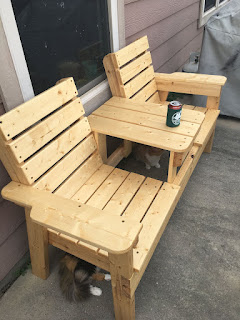
Elegant Outdoor Woodworking Plans for Every Season

The scent of freshly cut cedar, the satisfying thud of hammer meeting nail, the sun warming your back as you craft—outdoor woodworking offers a unique blend of creativity and connection with nature. Whether you're a seasoned craftsman or a weekend warrior, this guide provides elegant project plans adaptable to each season, transforming your outdoor space into a personal haven.

Spring: Rebirth and Renewal

Spring's gentle warmth and burgeoning life inspire projects that celebrate new beginnings. Think light, airy designs that enhance your garden's vibrant palette. Forget bulky, heavy structures; embrace the elegance of simplicity.

A Trellis for Climbing Roses

Construct a graceful trellis to support climbing roses or other flowering vines. Use pressure-treated pine or cedar for durability. Start by creating a sturdy base frame, then add vertical slats spaced evenly apart to create a lattice pattern. Consider incorporating decorative elements like curved tops or scrolled accents for an added touch of elegance. Paint it a soft, pastel shade to complement your garden's blooms. The finished trellis will not only provide support for your plants but will also serve as a stunning focal point in your outdoor space.

A Birdhouse Village

Create a charming birdhouse village using various sizes and styles of birdhouses. Use reclaimed wood for a rustic touch, or opt for brightly painted new wood for a more playful feel. Vary the designs to reflect the different bird species that frequent your garden, ensuring each house offers the right size and entrance hole. Mount them on a sturdy post or branch for a whimsical addition to your landscape.

Summer: Sun-Drenched Creations

Summer's long, sun-drenched days call for projects designed for relaxation and outdoor entertaining. Focus on comfortable seating and functional additions that enhance your enjoyment of the warmer weather.

A Rustic Adirondack Chair

The iconic Adirondack chair is a timeless classic, perfect for relaxing on a summer afternoon. Choose wide, comfortable planks of cedar or redwood for this project. Precise cuts are key to achieving the chair's characteristic sloping backrest and wide arms. Pre-drill all holes to prevent splitting the wood. Apply a weather-resistant finish to protect the chair from the elements and enjoy countless hours of comfortable outdoor relaxation.

A Planter Box with Integrated Seating

Combine functionality and style by building a planter box with built-in seating. This project allows you to grow herbs, flowers, or vegetables while providing a convenient place to rest. Construct a sturdy box from pressure-treated lumber, then add wide, comfortable seating planks on top. Line the interior with landscape fabric to prevent soil from seeping through. Fill with potting soil and your favorite plants for a beautiful and practical addition to your patio or deck.

Autumn: Harvest Hues and Cozy Gatherings

Autumn's warm colors and crisp air inspire projects that celebrate harvest and the cozy comfort of gathering with loved ones.

A Wine Rack for the Patio

Build a rustic wine rack to store your favorite bottles for outdoor gatherings. Use reclaimed barn wood for a truly vintage look, or opt for new wood with a distressed finish. Design the rack to fit your specific needs and space, incorporating shelves and dividers to keep your bottles organized and secure. This project will add a touch of rustic charm to your patio or deck.

A Firewood Holder

As the evenings grow cooler, a firewood holder becomes increasingly essential. Construct a sturdy and attractive rack to keep your firewood organized and dry. Use treated lumber for durability, and consider adding decorative features like a slanted roof or curved supports. Ensure the design allows for easy access to the wood while maintaining a visually appealing aesthetic. This functional and stylish addition will enhance your outdoor fireplace or fire pit area.

Winter: Preparation and Planning

While outdoor woodworking might slow down in winter's harsher conditions, it's the perfect time for planning and preparing for the next season's projects.

Designing Your Next Project

Take advantage of the quieter winter months to research and design your next outdoor woodworking project. Browse online resources, pour over woodworking magazines, and sketch out your ideas. Create detailed plans, including material lists and step-by-step instructions. This meticulous planning will make the construction process smoother and more enjoyable come springtime.

Tool Maintenance and Organization

Winter is the ideal time to maintain and organize your woodworking tools. Sharpen blades, clean and oil moving parts, and organize your workshop. A well-maintained and organized workspace will contribute to safer and more efficient woodworking throughout the year.

With careful planning and execution, you can create elegant and functional outdoor woodworking projects that will enhance your outdoor space year-round. Enjoy the process and the beautiful results!

Beginner-Friendly Furniture Plans for Simple and Rewarding Builds

Hey there, fellow furniture enthusiasts! So, you're dreaming of crafting your own beautiful, functional pieces, but the sheer number of plans and techniques out there feels a bit overwhelming? Don't worry, you're not alone! Building furniture can seem intimidating at first, but with the right projects and a little patience, it's incredibly rewarding. This guide is all about getting you started with simple, satisfying builds that'll have you hooked in no time. We'll focus on projects that are perfect for beginners, requiring minimal tools and skills, and leaving you with a stunning piece you can be proud of.

Choosing Your First Project: Starting Small is Key

The key to a successful first furniture-building experience is starting small. Don't jump into a complex Queen-size bed right away! Instead, focus on projects that will help you build confidence and master basic techniques. Think simple, functional pieces that don't require intricate joinery or advanced power tools. Here are a few ideas to get those creative juices flowing:

1. A Simple Shelf

A basic shelf is the ultimate beginner project. You can build it from readily available lumber, and it requires only basic cuts and assembly. You'll learn how to use a saw (hand saw or circular saw), measure accurately, and use screws or nails to join pieces together. Plus, you can customize the size and style to perfectly fit your space!

2. A Small Wooden Crate

Wooden crates are fantastic for storage and add a rustic charm to any room. They're also a great way to practice your measuring, cutting, and assembly skills. You'll get comfortable with using a square to ensure your cuts are accurate and learn how to attach the sides to the base. And hey, you can always paint or stain it to match your decor.

3. A Basic Side Table

Slightly more challenging than a shelf or crate, a basic side table is still very achievable for beginners. You can find many plans online that utilize simple designs and joinery methods. This project lets you practice a bit more with cutting angles and possibly even adding a simple leg design. This project will boost your confidence as you graduate to slightly more complex projects.

Essential Tools and Materials

Before you get started, let's talk about the tools and materials you'll need. You don't need a fully equipped workshop to start! Here's a basic list:

  • Measuring Tape: Crucial for accurate cuts!
  • Pencil: For marking your cuts.
  • Saw: A hand saw is perfectly fine to start, but a circular saw will make things much faster.
  • Screwdriver (or Drill): For fastening pieces together.
  • Safety Glasses: Protecting your eyes is paramount!
  • Wood Glue: Adds strength and stability to your joints.
  • Sandpaper: For smoothing out rough edges.
  • Wood: Choose a softwood like pine for ease of cutting and working.
  • Clamps (optional, but helpful): For holding pieces together while the glue dries.

As you progress, you might consider adding tools like a planer, sander, or even a miter saw, but these are definitely not essential to start.

Finding Plans and Tutorials

The internet is a treasure trove of free furniture plans! Websites like Pinterest, Instructables, and Ana White offer a vast selection of projects for all skill levels. Look for plans that include clear instructions, diagrams, and material lists. YouTube is another great resource, with many videos demonstrating each step of the process. Don't be afraid to watch several tutorials on the same project before you start to ensure you understand the process fully.

Tips for Success

Here are a few tips to make your first furniture-building experience a smooth and enjoyable one:

  • Start with a simple plan: Don't overreach. Choose a project that matches your skill level.
  • Measure twice, cut once: This age-old adage is crucial. Accurate measurements prevent mistakes and frustration.
  • Take your time: Don't rush the process. Rushing can lead to errors and potentially injuries.
  • Don't be afraid to ask for help: If you get stuck, don't hesitate to seek advice from experienced woodworkers online or in person.
  • Embrace imperfections: Your first project won't be perfect, and that's okay! Learn from your mistakes and keep improving.
  • Have fun!: Remember why you started this project in the first place – to create something beautiful and functional with your own hands. Enjoy the process!

Beyond the Basics: Exploring More Complex Projects

Once you've mastered a few basic projects, you can start exploring more complex builds. Consider projects like a simple coffee table, a small bookshelf, or even a basic chair. As your skills and confidence grow, you can tackle more challenging joinery techniques and explore different wood types and finishes.

Finishing Touches

Don't forget the finishing touches! Sanding your project smooth and applying a finish (paint, stain, varnish) will protect the wood and enhance its beauty. A well-finished piece will look professional and elevate the overall look of your creation.

Frequently Asked Questions

Q: What kind of wood is best for beginners?

A: Softwoods like pine or fir are easy to work with and relatively inexpensive. They're great for practicing basic cuts and assembly.

Q: Do I need a lot of expensive tools?

A: No! You can start with very basic tools. A measuring tape, pencil, saw, screwdriver, and safety glasses are essential. You can gradually add more tools as your skills improve.

Q: What if I make a mistake?

A: Don't worry! Mistakes happen. Sometimes you can fix them, and other times you might need to start over. Learn from your mistakes and keep practicing.

Q: Where can I find free woodworking plans?

A: There are many websites and YouTube channels that offer free woodworking plans. Pinterest, Instructables, and Ana White are great resources.

Q: How long does it take to build a simple project?

A: This depends on the complexity of the project and your experience level. A simple shelf might take a few hours, while a side table could take a day or two.

So there you have it! Building your own furniture is a rewarding experience, and these beginner-friendly projects are the perfect starting point. Get out there, grab some wood, and start creating!

Beginner-Friendly Furniture Plans for Simple and Rewarding Builds

Hey there, fellow furniture enthusiasts! So, you're dreaming of crafting your own beautiful, functional pieces, but the sheer number of plans and techniques out there feels a bit overwhelming? Don't worry, you're not alone! Building furniture can seem intimidating at first, but with the right projects and a little patience, it's incredibly rewarding. This guide is all about getting you started with simple, satisfying builds that'll have you hooked in no time. We'll focus on projects that are perfect for beginners, requiring minimal tools and skills, and leaving you with a stunning piece you can be proud of.

Choosing Your First Project: Starting Small is Key

The key to a successful first furniture-building experience is starting small. Don't jump into a complex Queen-size bed right away! Instead, focus on projects that will help you build confidence and master basic techniques. Think simple, functional pieces that don't require intricate joinery or advanced power tools. Here are a few ideas to get those creative juices flowing:

1. A Simple Shelf

A basic shelf is the ultimate beginner project. You can build it from readily available lumber, and it requires only basic cuts and assembly. You'll learn how to use a saw (hand saw or circular saw), measure accurately, and use screws or nails to join pieces together. Plus, you can customize the size and style to perfectly fit your space!

2. A Small Wooden Crate

Wooden crates are fantastic for storage and add a rustic charm to any room. They're also a great way to practice your measuring, cutting, and assembly skills. You'll get comfortable with using a square to ensure your cuts are accurate and learn how to attach the sides to the base. And hey, you can always paint or stain it to match your decor.

3. A Basic Side Table

Slightly more challenging than a shelf or crate, a basic side table is still very achievable for beginners. You can find many plans online that utilize simple designs and joinery methods. This project lets you practice a bit more with cutting angles and possibly even adding a simple leg design. This project will boost your confidence as you graduate to slightly more complex projects.

Essential Tools and Materials

Before you get started, let's talk about the tools and materials you'll need. You don't need a fully equipped workshop to start! Here's a basic list:

  • Measuring Tape: Crucial for accurate cuts!
  • Pencil: For marking your cuts.
  • Saw: A hand saw is perfectly fine to start, but a circular saw will make things much faster.
  • Screwdriver (or Drill): For fastening pieces together.
  • Safety Glasses: Protecting your eyes is paramount!
  • Wood Glue: Adds strength and stability to your joints.
  • Sandpaper: For smoothing out rough edges.
  • Wood: Choose a softwood like pine for ease of cutting and working.
  • Clamps (optional, but helpful): For holding pieces together while the glue dries.

As you progress, you might consider adding tools like a planer, sander, or even a miter saw, but these are definitely not essential to start.

Finding Plans and Tutorials

The internet is a treasure trove of free furniture plans! Websites like Pinterest, Instructables, and Ana White offer a vast selection of projects for all skill levels. Look for plans that include clear instructions, diagrams, and material lists. YouTube is another great resource, with many videos demonstrating each step of the process. Don't be afraid to watch several tutorials on the same project before you start to ensure you understand the process fully.

Tips for Success

Here are a few tips to make your first furniture-building experience a smooth and enjoyable one:

  • Start with a simple plan: Don't overreach. Choose a project that matches your skill level.
  • Measure twice, cut once: This age-old adage is crucial. Accurate measurements prevent mistakes and frustration.
  • Take your time: Don't rush the process. Rushing can lead to errors and potentially injuries.
  • Don't be afraid to ask for help: If you get stuck, don't hesitate to seek advice from experienced woodworkers online or in person.
  • Embrace imperfections: Your first project won't be perfect, and that's okay! Learn from your mistakes and keep improving.
  • Have fun!: Remember why you started this project in the first place – to create something beautiful and functional with your own hands. Enjoy the process!

Beyond the Basics: Exploring More Complex Projects

Once you've mastered a few basic projects, you can start exploring more complex builds. Consider projects like a simple coffee table, a small bookshelf, or even a basic chair. As your skills and confidence grow, you can tackle more challenging joinery techniques and explore different wood types and finishes.

Finishing Touches

Don't forget the finishing touches! Sanding your project smooth and applying a finish (paint, stain, varnish) will protect the wood and enhance its beauty. A well-finished piece will look professional and elevate the overall look of your creation.

Frequently Asked Questions

Q: What kind of wood is best for beginners?

A: Softwoods like pine or fir are easy to work with and relatively inexpensive. They're great for practicing basic cuts and assembly.

Q: Do I need a lot of expensive tools?

A: No! You can start with very basic tools. A measuring tape, pencil, saw, screwdriver, and safety glasses are essential. You can gradually add more tools as your skills improve.

Q: What if I make a mistake?

A: Don't worry! Mistakes happen. Sometimes you can fix them, and other times you might need to start over. Learn from your mistakes and keep practicing.

Q: Where can I find free woodworking plans?

A: There are many websites and YouTube channels that offer free woodworking plans. Pinterest, Instructables, and Ana White are great resources.

Q: How long does it take to build a simple project?

A: This depends on the complexity of the project and your experience level. A simple shelf might take a few hours, while a side table could take a day or two.

So there you have it! Building your own furniture is a rewarding experience, and these beginner-friendly projects are the perfect starting point. Get out there, grab some wood, and start creating!

Maximize Your Garage Space: Clever Woodworking Projects for Storage

Tired of tripping over clutter in your garage? Transform your chaotic space into an organized haven with these space-saving woodworking projects. These plans prioritize efficiency and maximize vertical space, turning unused corners and walls into valuable storage solutions. Get ready to reclaim your garage and impress yourself with your newfound woodworking skills!

Vertical Storage Solutions: Reaching New Heights

Forget sprawling toolboxes and haphazard piles. Vertical storage is the key to unlocking hidden space in your garage. These projects utilize wall space effectively, keeping tools and equipment readily accessible while minimizing floor clutter. We'll explore some designs that are surprisingly easy to build, even for beginner woodworkers.

The Customizable Pegboard System

A pegboard is the ultimate customizable storage solution. This project starts with a sturdy plywood backing, cut to fit your desired wall space. Next, drill evenly spaced holes to accommodate pegs, hooks, and other accessories. Choose quality plywood for durability, and stain or paint it to match your garage's aesthetic. This system readily adapts to changing needs; simply rearrange pegs and hooks to accommodate new tools and equipment. You can even add shelves to the pegboard for extra storage, enhancing functionality and creating a visually appealing system. Remember to secure the pegboard firmly to the wall studs for stability.

Wall-Mounted Tool Organizer

Keep frequently used tools within easy reach with a wall-mounted organizer. This project uses individual compartments to neatly store hand tools, power tool accessories, and other small items. Consider using dividers to keep everything separated and easily visible. Building this organizer requires precise cuts and careful assembly. Use strong joinery techniques, such as dadoes or rabbets, for robust construction. A clear coat of polyurethane protects the finished organizer from dust and moisture, ensuring its longevity in the garage environment.

Overhead Storage: Utilizing Untapped Potential

The space above your head is often overlooked, but it holds significant storage potential. These projects help you tap into this often-unused area, creating a safe and accessible storage solution for seldom-used items.

Loft Storage System

A simple loft system utilizes sturdy 2x4s and plywood to create a raised platform. This platform provides ample storage underneath for larger items like seasonal decorations or camping gear. Prioritize safety by ensuring robust construction and secure anchoring to the ceiling joists. Adding a railing for safety is a crucial step in this project; it prevents accidents and provides peace of mind. This project maximizes vertical space, freeing up valuable floor space. Don't forget to accurately measure your ceiling height to ensure sufficient headroom remains underneath.

Space-Saving Shelving: Clever Design for Small Spaces

Shelving is a cornerstone of any effective garage storage system. However, traditional shelving can consume significant space. These designs optimize space while maintaining functionality.

Fold-Down Workbench with Integrated Shelving

Combine a workbench and shelving into one space-saving unit. The workbench folds down when not in use, revealing integrated shelves below. This requires careful planning and precise cuts to ensure all components fit together seamlessly. Use strong hinges and latches for secure operation. Choose a durable countertop material resistant to scratches and impacts. This design cleverly maximizes space and versatility, providing both a workspace and substantial storage.

With a little planning and these creative woodworking projects, you can transform your cluttered garage into an organized and functional workspace. So grab your tools and unleash your inner builder!

Maximize Your Garage Space: Clever Woodworking Projects for Storage

Tired of tripping over clutter in your garage? Transform your chaotic space into an organized haven with these space-saving woodworking projects. These plans prioritize efficiency and maximize vertical space, turning unused corners and walls into valuable storage solutions. Get ready to reclaim your garage and impress yourself with your newfound woodworking skills!

Vertical Storage Solutions: Reaching New Heights

Forget sprawling toolboxes and haphazard piles. Vertical storage is the key to unlocking hidden space in your garage. These projects utilize wall space effectively, keeping tools and equipment readily accessible while minimizing floor clutter. We'll explore some designs that are surprisingly easy to build, even for beginner woodworkers.

The Customizable Pegboard System

A pegboard is the ultimate customizable storage solution. This project starts with a sturdy plywood backing, cut to fit your desired wall space. Next, drill evenly spaced holes to accommodate pegs, hooks, and other accessories. Choose quality plywood for durability, and stain or paint it to match your garage's aesthetic. This system readily adapts to changing needs; simply rearrange pegs and hooks to accommodate new tools and equipment. You can even add shelves to the pegboard for extra storage, enhancing functionality and creating a visually appealing system. Remember to secure the pegboard firmly to the wall studs for stability.

Wall-Mounted Tool Organizer

Keep frequently used tools within easy reach with a wall-mounted organizer. This project uses individual compartments to neatly store hand tools, power tool accessories, and other small items. Consider using dividers to keep everything separated and easily visible. Building this organizer requires precise cuts and careful assembly. Use strong joinery techniques, such as dadoes or rabbets, for robust construction. A clear coat of polyurethane protects the finished organizer from dust and moisture, ensuring its longevity in the garage environment.

Overhead Storage: Utilizing Untapped Potential

The space above your head is often overlooked, but it holds significant storage potential. These projects help you tap into this often-unused area, creating a safe and accessible storage solution for seldom-used items.

Loft Storage System

A simple loft system utilizes sturdy 2x4s and plywood to create a raised platform. This platform provides ample storage underneath for larger items like seasonal decorations or camping gear. Prioritize safety by ensuring robust construction and secure anchoring to the ceiling joists. Adding a railing for safety is a crucial step in this project; it prevents accidents and provides peace of mind. This project maximizes vertical space, freeing up valuable floor space. Don't forget to accurately measure your ceiling height to ensure sufficient headroom remains underneath.

Space-Saving Shelving: Clever Design for Small Spaces

Shelving is a cornerstone of any effective garage storage system. However, traditional shelving can consume significant space. These designs optimize space while maintaining functionality.

Fold-Down Workbench with Integrated Shelving

Combine a workbench and shelving into one space-saving unit. The workbench folds down when not in use, revealing integrated shelves below. This requires careful planning and precise cuts to ensure all components fit together seamlessly. Use strong hinges and latches for secure operation. Choose a durable countertop material resistant to scratches and impacts. This design cleverly maximizes space and versatility, providing both a workspace and substantial storage.

With a little planning and these creative woodworking projects, you can transform your cluttered garage into an organized and functional workspace. So grab your tools and unleash your inner builder!

Build Your Dream Aquarium Stand: A Step-by-Step Guide

Ready to elevate your aquarium setup? Forget flimsy store-bought stands that lack both style and sturdiness. This guide empowers you to build a custom aquarium stand that perfectly complements your tank and reflects your personal style. We'll walk you through the process, providing detailed instructions and tips to ensure a successful build. Get ready to unleash your inner craftsman and create a stunning focal point for your home!

Planning Your Aquarium Stand

Before you even touch a saw, careful planning is crucial. This phase prevents costly mistakes and ensures your stand can safely support your aquarium's substantial weight. Start by measuring your tank's exact dimensions – length, width, and height. Remember, your stand needs to be wider and deeper than the tank itself to provide adequate support and stability. Add a few extra inches on each side for stability and aesthetic appeal. Consider the weight of your fully stocked aquarium – water, substrate, rocks, and equipment add up! The stand's design needs to comfortably handle this weight.

Choosing Your Materials

Selecting the right materials is key to a strong and long-lasting stand. Pressure-treated lumber is a popular choice because it resists rot and moisture damage – crucial factors for an aquarium stand. However, always ensure the pressure treatment is aquarium-safe, as some chemicals can leach into the water. Alternatively, consider using marine-grade plywood, known for its durability and water resistance. Whatever you choose, ensure the wood is free of cracks, knots, and other imperfections that could compromise the stand's integrity. Also, select sturdy screws and wood glue appropriate for your chosen material.

Building the Frame

With your materials gathered and dimensions finalized, it's time to build the stand's frame. We'll use a simple but robust design. Cut your lumber to the desired lengths according to your measurements. Create a rectangular frame for the base, using two long pieces and two shorter pieces. Secure the corners with strong wood screws and wood glue, ensuring the joints are tight and square. Repeat this process for the top frame, which will support your aquarium. Remember to drill pilot holes before screwing to prevent the wood from splitting.

Adding Strength and Stability

To further enhance strength and prevent racking, incorporate vertical supports between the top and bottom frames. These supports act as pillars, distributing the weight evenly. You can use additional 2x4s or 4x4s, depending on the size and weight of your aquarium. Again, use wood glue and screws to create strong, secure joints. Make sure the supports are evenly spaced for optimal stability. Consider adding cross bracing inside the frame for added strength, especially if dealing with a very large or heavy tank.

Finishing Touches

Once the frame is complete and secure, it's time to add the finishing touches. Measure and cut your chosen shelving material – plywood is perfect for this. Make sure it accurately fits within the frame. Secure the shelves using screws and wood glue. Sand all surfaces smoothly to prevent splinters and improve the look. Apply a waterproof sealant to protect the wood from moisture and extend the stand's life. Finally, add a coat or two of paint or stain in a color that complements your home décor.

Safety First!

Before placing your aquarium on the newly built stand, conduct a thorough weight test. Fill several heavy containers with water and place them on the stand to simulate the weight of the aquarium. Check for any instability or weakness. Never overload the stand. Remember, safety should always be your top priority!

With a little time and effort, you can construct a beautiful and sturdy aquarium stand tailored to your needs. Enjoy the satisfaction of a job well done, and the pride of owning a unique and functional piece of furniture that perfectly complements your aquatic masterpiece!

Build Your Dream Aquarium Stand: A Step-by-Step Guide

Ready to elevate your aquarium setup? Forget flimsy store-bought stands that lack both style and sturdiness. This guide empowers you to build a custom aquarium stand that perfectly complements your tank and reflects your personal style. We'll walk you through the process, providing detailed instructions and tips to ensure a successful build. Get ready to unleash your inner craftsman and create a stunning focal point for your home!

Planning Your Aquarium Stand

Before you even touch a saw, careful planning is crucial. This phase prevents costly mistakes and ensures your stand can safely support your aquarium's substantial weight. Start by measuring your tank's exact dimensions – length, width, and height. Remember, your stand needs to be wider and deeper than the tank itself to provide adequate support and stability. Add a few extra inches on each side for stability and aesthetic appeal. Consider the weight of your fully stocked aquarium – water, substrate, rocks, and equipment add up! The stand's design needs to comfortably handle this weight.

Choosing Your Materials

Selecting the right materials is key to a strong and long-lasting stand. Pressure-treated lumber is a popular choice because it resists rot and moisture damage – crucial factors for an aquarium stand. However, always ensure the pressure treatment is aquarium-safe, as some chemicals can leach into the water. Alternatively, consider using marine-grade plywood, known for its durability and water resistance. Whatever you choose, ensure the wood is free of cracks, knots, and other imperfections that could compromise the stand's integrity. Also, select sturdy screws and wood glue appropriate for your chosen material.

Building the Frame

With your materials gathered and dimensions finalized, it's time to build the stand's frame. We'll use a simple but robust design. Cut your lumber to the desired lengths according to your measurements. Create a rectangular frame for the base, using two long pieces and two shorter pieces. Secure the corners with strong wood screws and wood glue, ensuring the joints are tight and square. Repeat this process for the top frame, which will support your aquarium. Remember to drill pilot holes before screwing to prevent the wood from splitting.

Adding Strength and Stability

To further enhance strength and prevent racking, incorporate vertical supports between the top and bottom frames. These supports act as pillars, distributing the weight evenly. You can use additional 2x4s or 4x4s, depending on the size and weight of your aquarium. Again, use wood glue and screws to create strong, secure joints. Make sure the supports are evenly spaced for optimal stability. Consider adding cross bracing inside the frame for added strength, especially if dealing with a very large or heavy tank.

Finishing Touches

Once the frame is complete and secure, it's time to add the finishing touches. Measure and cut your chosen shelving material – plywood is perfect for this. Make sure it accurately fits within the frame. Secure the shelves using screws and wood glue. Sand all surfaces smoothly to prevent splinters and improve the look. Apply a waterproof sealant to protect the wood from moisture and extend the stand's life. Finally, add a coat or two of paint or stain in a color that complements your home décor.

Safety First!

Before placing your aquarium on the newly built stand, conduct a thorough weight test. Fill several heavy containers with water and place them on the stand to simulate the weight of the aquarium. Check for any instability or weakness. Never overload the stand. Remember, safety should always be your top priority!

With a little time and effort, you can construct a beautiful and sturdy aquarium stand tailored to your needs. Enjoy the satisfaction of a job well done, and the pride of owning a unique and functional piece of furniture that perfectly complements your aquatic masterpiece!

Beyond the Box: Unique Wooden TV Cabinet Plans

Tired of generic, mass-produced entertainment centers? Crave a piece of furniture that reflects your personal style and craftsmanship? Then ditch the cookie-cutter designs and embark on a rewarding woodworking project: building your own unique wooden TV cabinet. This article presents three distinct plans, each offering a different aesthetic and skill level, ensuring there's a perfect project for every woodworker.

The Rustic Farmhouse Charm

This plan leans into the cozy warmth of a rustic farmhouse aesthetic. Imagine a sturdy cabinet built from reclaimed wood, its surface showcasing the natural imperfections and rich patina of time. The overall design is simple, emphasizing clean lines and functional elegance. The cabinet's charm lies in its natural beauty, minimally interrupted by embellishments.

Materials & Tools:

You'll need reclaimed wood planks (consider pine, oak, or even barn wood), strong wood glue, wood screws, wood filler, sandpaper (various grits), a wood stain or clear sealant, and basic woodworking tools (saw, drill, sander, clamps).

Construction:

  • Begin by carefully selecting and cleaning your reclaimed wood. Assess the wood for cracks or significant damage, and plan your cuts accordingly.
  • Construct a sturdy frame using mortise and tenon joints for exceptional strength and a classic look. Alternatively, you can opt for simpler butt joints reinforced with screws and glue.
  • Create the cabinet's shelves using the same reclaimed wood, ensuring they're securely mounted and able to support the weight of your TV and other electronics.
  • Fill any gaps or imperfections with wood filler, sand smoothly, and apply your chosen finish for protection and enhanced visual appeal.
  • The Modern Minimalist Marvel

    For those who appreciate clean lines and a contemporary feel, this minimalist design is perfect. This plan features a sleek, low-profile cabinet, constructed from high-quality hardwood like walnut or maple. Its simple elegance makes a statement without overwhelming the space. The focus is on precision and craftsmanship, showcasing the beauty of the wood grain itself.

    Materials & Tools:

    Choose high-quality hardwood planks, high-quality wood glue, pocket hole screws (for invisible joinery), fine-grit sandpaper, a clear coat finish (to highlight the wood's natural beauty), and precision woodworking tools (a router for creating clean edges is highly recommended).

    Construction:

  • Precise cuts are paramount in this design. Use a miter saw for accurate angles and a router for clean edges.
  • Employ pocket hole joinery for a clean, almost invisible connection between the cabinet's components.
  • Consider adding sleek metal handles or opting for a handleless design for a truly minimalist aesthetic.
  • Finish with a clear coat to protect the wood and enhance its natural luster.
  • The Mid-Century Modern Masterpiece

    This design channels the iconic style of mid-century modern furniture. Think tapered legs, clean lines, and a subtle flair for geometric detail. This plan is ideal for woodworkers with intermediate skills, requiring more precision and potentially the use of more advanced joinery techniques. The resulting cabinet will be a statement piece, a blend of timeless elegance and modern functionality.

    Materials & Tools:

    Select hardwood like walnut or cherry, wood glue, dowels or biscuits for joinery, wood screws, sandpaper, wood stain (a mid-tone walnut stain would be authentic), and woodworking tools including a router, biscuit joiner, and potentially a lathe for creating the tapered legs.

    Construction:

  • Create the tapered legs using a lathe or carefully shaping them with hand tools and sandpaper.
  • Use dowel or biscuit joinery for strong, visually appealing connections between the legs and the cabinet's main body.
  • Incorporate subtle geometric details, such as a slightly angled top or recessed panels, to enhance the mid-century modern aesthetic.
  • Finish with a stain and sealant to protect the wood and achieve the desired color and finish.
  • No matter which plan you choose, building your own wooden TV cabinet is a rewarding experience. Embrace the process, enjoy the challenge, and create a piece of furniture that you'll cherish for years to come. Remember to always prioritize safety and take your time to ensure a high-quality finished product.

    Beyond the Box: Unique Wooden TV Cabinet Plans

    Tired of generic, mass-produced entertainment centers? Crave a piece of furniture that reflects your personal style and craftsmanship? Then ditch the cookie-cutter designs and embark on a rewarding woodworking project: building your own unique wooden TV cabinet. This article presents three distinct plans, each offering a different aesthetic and skill level, ensuring there's a perfect project for every woodworker.

    The Rustic Farmhouse Charm

    This plan leans into the cozy warmth of a rustic farmhouse aesthetic. Imagine a sturdy cabinet built from reclaimed wood, its surface showcasing the natural imperfections and rich patina of time. The overall design is simple, emphasizing clean lines and functional elegance. The cabinet's charm lies in its natural beauty, minimally interrupted by embellishments.

    Materials & Tools:

    You'll need reclaimed wood planks (consider pine, oak, or even barn wood), strong wood glue, wood screws, wood filler, sandpaper (various grits), a wood stain or clear sealant, and basic woodworking tools (saw, drill, sander, clamps).

    Construction:

  • Begin by carefully selecting and cleaning your reclaimed wood. Assess the wood for cracks or significant damage, and plan your cuts accordingly.
  • Construct a sturdy frame using mortise and tenon joints for exceptional strength and a classic look. Alternatively, you can opt for simpler butt joints reinforced with screws and glue.
  • Create the cabinet's shelves using the same reclaimed wood, ensuring they're securely mounted and able to support the weight of your TV and other electronics.
  • Fill any gaps or imperfections with wood filler, sand smoothly, and apply your chosen finish for protection and enhanced visual appeal.
  • The Modern Minimalist Marvel

    For those who appreciate clean lines and a contemporary feel, this minimalist design is perfect. This plan features a sleek, low-profile cabinet, constructed from high-quality hardwood like walnut or maple. Its simple elegance makes a statement without overwhelming the space. The focus is on precision and craftsmanship, showcasing the beauty of the wood grain itself.

    Materials & Tools:

    Choose high-quality hardwood planks, high-quality wood glue, pocket hole screws (for invisible joinery), fine-grit sandpaper, a clear coat finish (to highlight the wood's natural beauty), and precision woodworking tools (a router for creating clean edges is highly recommended).

    Construction:

  • Precise cuts are paramount in this design. Use a miter saw for accurate angles and a router for clean edges.
  • Employ pocket hole joinery for a clean, almost invisible connection between the cabinet's components.
  • Consider adding sleek metal handles or opting for a handleless design for a truly minimalist aesthetic.
  • Finish with a clear coat to protect the wood and enhance its natural luster.
  • The Mid-Century Modern Masterpiece

    This design channels the iconic style of mid-century modern furniture. Think tapered legs, clean lines, and a subtle flair for geometric detail. This plan is ideal for woodworkers with intermediate skills, requiring more precision and potentially the use of more advanced joinery techniques. The resulting cabinet will be a statement piece, a blend of timeless elegance and modern functionality.

    Materials & Tools:

    Select hardwood like walnut or cherry, wood glue, dowels or biscuits for joinery, wood screws, sandpaper, wood stain (a mid-tone walnut stain would be authentic), and woodworking tools including a router, biscuit joiner, and potentially a lathe for creating the tapered legs.

    Construction:

  • Create the tapered legs using a lathe or carefully shaping them with hand tools and sandpaper.
  • Use dowel or biscuit joinery for strong, visually appealing connections between the legs and the cabinet's main body.
  • Incorporate subtle geometric details, such as a slightly angled top or recessed panels, to enhance the mid-century modern aesthetic.
  • Finish with a stain and sealant to protect the wood and achieve the desired color and finish.
  • No matter which plan you choose, building your own wooden TV cabinet is a rewarding experience. Embrace the process, enjoy the challenge, and create a piece of furniture that you'll cherish for years to come. Remember to always prioritize safety and take your time to ensure a high-quality finished product.

    How to Add a Vice to Your Woodworking Bench – DIY Guide

    A sturdy workbench is the backbone of any woodworking shop, but adding a vise significantly enhances its functionality. A vise provides a secure clamping solution for a wide range of tasks, from intricate joinery to heavy-duty shaping. This guide walks you through the process of adding a vise to your existing bench, transforming it from a good workspace to an indispensable tool.

    Choosing the Right Vise

    Before you even pick up a tool, carefully consider the type of vise best suited to your needs. Several options exist, each with its own advantages and disadvantages. Front vises, the most common type, clamp work directly to the bench's front edge. Tail vises mount to the end of the bench, ideal for longer pieces. Face vises, often smaller, clamp to the face of the bench itself. Consider the size of your workbench and the kinds of projects you typically undertake when making your choice. Think about how much clamping force you'll require, and examine the material construction. A robust cast iron vise will offer superior strength and durability compared to a lighter-weight alternative, and don't forget to measure your workbench carefully to ensure you have the space and the correct mounting arrangement.

    Preparing Your Workbench

    Assessing the Bench's Structure

    Examine your workbench carefully for structural soundness. Ensure its top is firmly attached and can withstand the added stress of a vise. A wobbly or poorly constructed bench will negate the advantages of a new vise. If your bench top appears weak, you may need to reinforce it before proceeding, potentially with additional supports or reinforcing battens underneath.

    Marking the Mounting Location

    Precise placement is crucial. Measure carefully to determine the optimal vise position. Consider accessibility, ergonomics, and the kinds of work you will undertake at the vise. Once you have identified the ideal location, use a pencil to mark the mounting holes on the workbench. Take your time here; a misaligned vise is frustrating to work with and can compromise the workbench's integrity.

    Installing the Vise

    Mounting the Vise

    Follow the manufacturer's instructions precisely. Most vises come with pre-drilled holes and mounting hardware. Use the correct size drill bit to create pilot holes for screws or bolts. This prevents wood splitting and ensures a secure fit. If you encounter hardwood, consider using a countersinking drill bit for a clean, flush finish. Pay close attention to the tightening sequence specified by the manufacturer to prevent uneven stress on the vise or the workbench.

    Securing the Vise

    Once the vise is mounted, test its stability. Tighten all screws or bolts firmly, but avoid over-tightening, which could damage the wood. Apply a small amount of wood glue to the mounting points for additional strength, especially beneficial if your benchtop is made of softer wood.

    Testing and Refinement

    Test your newly installed vise by clamping various sized pieces of wood. Check for any wobble or instability. Make sure it fully extends and retracts smoothly without binding. If you notice any problems, carefully assess the situation. You might need to adjust the mounting, add shims for uneven surfaces, or slightly enlarge the mounting holes. A well-installed vise should be rock-solid and a pleasure to use.

    With the vise securely installed and tested, you've significantly upgraded your woodworking capabilities. Enjoy your enhanced workspace, and get ready to tackle more challenging projects!

    How to Add a Vice to Your Woodworking Bench – DIY Guide

    A sturdy workbench is the backbone of any woodworking shop, but adding a vise significantly enhances its functionality. A vise provides a secure clamping solution for a wide range of tasks, from intricate joinery to heavy-duty shaping. This guide walks you through the process of adding a vise to your existing bench, transforming it from a good workspace to an indispensable tool.

    Choosing the Right Vise

    Before you even pick up a tool, carefully consider the type of vise best suited to your needs. Several options exist, each with its own advantages and disadvantages. Front vises, the most common type, clamp work directly to the bench's front edge. Tail vises mount to the end of the bench, ideal for longer pieces. Face vises, often smaller, clamp to the face of the bench itself. Consider the size of your workbench and the kinds of projects you typically undertake when making your choice. Think about how much clamping force you'll require, and examine the material construction. A robust cast iron vise will offer superior strength and durability compared to a lighter-weight alternative, and don't forget to measure your workbench carefully to ensure you have the space and the correct mounting arrangement.

    Preparing Your Workbench

    Assessing the Bench's Structure

    Examine your workbench carefully for structural soundness. Ensure its top is firmly attached and can withstand the added stress of a vise. A wobbly or poorly constructed bench will negate the advantages of a new vise. If your bench top appears weak, you may need to reinforce it before proceeding, potentially with additional supports or reinforcing battens underneath.

    Marking the Mounting Location

    Precise placement is crucial. Measure carefully to determine the optimal vise position. Consider accessibility, ergonomics, and the kinds of work you will undertake at the vise. Once you have identified the ideal location, use a pencil to mark the mounting holes on the workbench. Take your time here; a misaligned vise is frustrating to work with and can compromise the workbench's integrity.

    Installing the Vise

    Mounting the Vise

    Follow the manufacturer's instructions precisely. Most vises come with pre-drilled holes and mounting hardware. Use the correct size drill bit to create pilot holes for screws or bolts. This prevents wood splitting and ensures a secure fit. If you encounter hardwood, consider using a countersinking drill bit for a clean, flush finish. Pay close attention to the tightening sequence specified by the manufacturer to prevent uneven stress on the vise or the workbench.

    Securing the Vise

    Once the vise is mounted, test its stability. Tighten all screws or bolts firmly, but avoid over-tightening, which could damage the wood. Apply a small amount of wood glue to the mounting points for additional strength, especially beneficial if your benchtop is made of softer wood.

    Testing and Refinement

    Test your newly installed vise by clamping various sized pieces of wood. Check for any wobble or instability. Make sure it fully extends and retracts smoothly without binding. If you notice any problems, carefully assess the situation. You might need to adjust the mounting, add shims for uneven surfaces, or slightly enlarge the mounting holes. A well-installed vise should be rock-solid and a pleasure to use.

    With the vise securely installed and tested, you've significantly upgraded your woodworking capabilities. Enjoy your enhanced workspace, and get ready to tackle more challenging projects!

    Build Your Dream Coffee Table with Drawers: A DIY Adventure!

    Hey there, fellow DIY enthusiasts! So, you're itching to build something awesome, something that'll be the envy of your friends, something that perfectly blends form and function? Well, you've come to the right place! We're going to build a coffee table with drawers – and I promise, it's easier than you think. Grab your tools, let's get crafting!

    Phase 1: Planning & Materials – Getting Organized

    Before we even think about sawing, let's get organized. This isn't just about throwing some wood together; we're building something beautiful and functional. The first step is planning – and that means choosing your design and gathering your materials.

    Choosing Your Style

    What kind of coffee table are we making? Modern minimalist? Rustic farmhouse charm? Mid-century modern sleekness? Browse online for inspiration! Think about the overall style of your living room and choose a design that complements it. Consider the size – how much space do you have? How many drawers do you need? Sketch out a quick design – even a rough one will help you visualize the project.

    Gathering Your Materials

    Once you have your design, it's time to hit the lumberyard or home improvement store. Here's a typical list, but adjust based on your chosen dimensions and style:

    • Wood: This is the big one! Think about the type of wood you want. Pine is affordable and easy to work with, while hardwoods like oak or maple offer more durability and a richer look. Consider using pre-cut lumber for ease of construction. You'll need wood for the table top, legs, frame, and drawer sides/bottom.
    • Drawer Slides: These make opening and closing your drawers a breeze. You can find them at any home improvement store. Choose the right size for your drawers.
    • Wood Glue: A strong wood glue is essential for creating robust joints.
    • Wood Screws: Various sizes for different parts of the project.
    • Sandpaper: Different grits for smoothing surfaces (start rough, finish fine).
    • Wood Finish (Stain or Paint): This is where you get to personalize your table! Consider stain for a natural wood look, or paint for a more vibrant color.
    • Handles/Knobs: Choose handles that match your style.
    • Measuring Tape, Pencil, Square, Level: Essential tools for accurate measurements and assembly.

    Phase 2: Construction – Let's Build!

    Alright, time to get our hands dirty! This section walks you through the main construction steps. Remember to always prioritize safety; wear safety glasses and use appropriate tools.

    Building the Frame

    Start by cutting your wood according to your design. Assemble the frame using wood glue and screws. Ensure all corners are square and the frame is level. This is the foundation of your coffee table, so take your time and double-check your measurements.

    Attaching the Legs

    Once the frame is secure, it's time to attach the legs. You can use various methods, depending on your design. Some common methods include screwing directly into the frame, using corner brackets, or even mortise and tenon joints (a more advanced technique). Make sure the legs are firmly attached and the table is stable.

    Constructing the Drawers

    This is where things get a little more detailed. Cut the wood for the drawer sides, front, back, and bottom. Assemble the drawer boxes using wood glue and screws, ensuring they are square and sturdy. Install the drawer slides according to the manufacturer's instructions. This is crucial for smooth drawer operation.

    Attaching the Tabletop

    Once the drawers are installed, it's time for the grand finale – the tabletop! Depending on your design, you might need to attach the tabletop to the frame using screws or a more sophisticated joinery method. Ensure the tabletop is flush and level.

    Phase 3: Finishing Touches – The Grand Reveal

    The construction is done! But we're not quite finished. This is where your coffee table truly comes alive.

    Sanding and Smoothing

    Sand all the surfaces of your coffee table thoroughly, starting with coarser sandpaper and gradually moving to finer grits. This will ensure a smooth finish and prevent splinters. Pay special attention to corners and edges.

    Applying the Finish

    Now comes the fun part! Apply your chosen finish – stain or paint – according to the manufacturer's instructions. Multiple coats are often recommended for a durable and even finish. Allow plenty of drying time between coats.

    Installing Hardware

    Attach your chosen handles or knobs to the drawers. This adds a final touch of personality and makes your coffee table truly functional.

    Commonly Asked Questions

    Here are some questions I often get asked about DIY coffee table projects:

    • Q: What's the best type of wood to use? A: It depends on your budget and desired aesthetic. Pine is affordable and easy to work with, while hardwoods like oak or maple are more durable and visually appealing but more expensive.
    • Q: How long does this project take? A: The total time depends on your experience and the complexity of your design. Expect to spend a weekend or two, possibly more if you're a beginner.
    • Q: What if I don't have all the tools? A: Many home improvement stores rent tools, or you could ask a friend or family member to borrow theirs.
    • Q: Can I adapt this plan to a different size? A: Absolutely! Just adjust the measurements to suit your needs. Remember to maintain the proportions to keep the design balanced.
    • Q: What if I make a mistake? A: Don't worry, everyone makes mistakes! Wood filler can often repair minor errors, or you might need to recut a piece. Don't get discouraged – it's all part of the learning process!

    There you have it! Your very own DIY coffee table with drawers. This is a project that will not only save you money but also give you a huge sense of accomplishment. So grab your tools, get creative, and enjoy the process! Remember to share your finished project with us – we'd love to see it!

    Build Your Dream Coffee Table with Drawers: A DIY Adventure!

    Hey there, fellow DIY enthusiasts! So, you're itching to build something awesome, something that'll be the envy of your friends, something that perfectly blends form and function? Well, you've come to the right place! We're going to build a coffee table with drawers – and I promise, it's easier than you think. Grab your tools, let's get crafting!

    Phase 1: Planning & Materials – Getting Organized

    Before we even think about sawing, let's get organized. This isn't just about throwing some wood together; we're building something beautiful and functional. The first step is planning – and that means choosing your design and gathering your materials.

    Choosing Your Style

    What kind of coffee table are we making? Modern minimalist? Rustic farmhouse charm? Mid-century modern sleekness? Browse online for inspiration! Think about the overall style of your living room and choose a design that complements it. Consider the size – how much space do you have? How many drawers do you need? Sketch out a quick design – even a rough one will help you visualize the project.

    Gathering Your Materials

    Once you have your design, it's time to hit the lumberyard or home improvement store. Here's a typical list, but adjust based on your chosen dimensions and style:

    • Wood: This is the big one! Think about the type of wood you want. Pine is affordable and easy to work with, while hardwoods like oak or maple offer more durability and a richer look. Consider using pre-cut lumber for ease of construction. You'll need wood for the table top, legs, frame, and drawer sides/bottom.
    • Drawer Slides: These make opening and closing your drawers a breeze. You can find them at any home improvement store. Choose the right size for your drawers.
    • Wood Glue: A strong wood glue is essential for creating robust joints.
    • Wood Screws: Various sizes for different parts of the project.
    • Sandpaper: Different grits for smoothing surfaces (start rough, finish fine).
    • Wood Finish (Stain or Paint): This is where you get to personalize your table! Consider stain for a natural wood look, or paint for a more vibrant color.
    • Handles/Knobs: Choose handles that match your style.
    • Measuring Tape, Pencil, Square, Level: Essential tools for accurate measurements and assembly.

    Phase 2: Construction – Let's Build!

    Alright, time to get our hands dirty! This section walks you through the main construction steps. Remember to always prioritize safety; wear safety glasses and use appropriate tools.

    Building the Frame

    Start by cutting your wood according to your design. Assemble the frame using wood glue and screws. Ensure all corners are square and the frame is level. This is the foundation of your coffee table, so take your time and double-check your measurements.

    Attaching the Legs

    Once the frame is secure, it's time to attach the legs. You can use various methods, depending on your design. Some common methods include screwing directly into the frame, using corner brackets, or even mortise and tenon joints (a more advanced technique). Make sure the legs are firmly attached and the table is stable.

    Constructing the Drawers

    This is where things get a little more detailed. Cut the wood for the drawer sides, front, back, and bottom. Assemble the drawer boxes using wood glue and screws, ensuring they are square and sturdy. Install the drawer slides according to the manufacturer's instructions. This is crucial for smooth drawer operation.

    Attaching the Tabletop

    Once the drawers are installed, it's time for the grand finale – the tabletop! Depending on your design, you might need to attach the tabletop to the frame using screws or a more sophisticated joinery method. Ensure the tabletop is flush and level.

    Phase 3: Finishing Touches – The Grand Reveal

    The construction is done! But we're not quite finished. This is where your coffee table truly comes alive.

    Sanding and Smoothing

    Sand all the surfaces of your coffee table thoroughly, starting with coarser sandpaper and gradually moving to finer grits. This will ensure a smooth finish and prevent splinters. Pay special attention to corners and edges.

    Applying the Finish

    Now comes the fun part! Apply your chosen finish – stain or paint – according to the manufacturer's instructions. Multiple coats are often recommended for a durable and even finish. Allow plenty of drying time between coats.

    Installing Hardware

    Attach your chosen handles or knobs to the drawers. This adds a final touch of personality and makes your coffee table truly functional.

    Commonly Asked Questions

    Here are some questions I often get asked about DIY coffee table projects:

    • Q: What's the best type of wood to use? A: It depends on your budget and desired aesthetic. Pine is affordable and easy to work with, while hardwoods like oak or maple are more durable and visually appealing but more expensive.
    • Q: How long does this project take? A: The total time depends on your experience and the complexity of your design. Expect to spend a weekend or two, possibly more if you're a beginner.
    • Q: What if I don't have all the tools? A: Many home improvement stores rent tools, or you could ask a friend or family member to borrow theirs.
    • Q: Can I adapt this plan to a different size? A: Absolutely! Just adjust the measurements to suit your needs. Remember to maintain the proportions to keep the design balanced.
    • Q: What if I make a mistake? A: Don't worry, everyone makes mistakes! Wood filler can often repair minor errors, or you might need to recut a piece. Don't get discouraged – it's all part of the learning process!

    There you have it! Your very own DIY coffee table with drawers. This is a project that will not only save you money but also give you a huge sense of accomplishment. So grab your tools, get creative, and enjoy the process! Remember to share your finished project with us – we'd love to see it!

    Small Coffee Table Ideas – Best Designs for Compact Spaces

    Cramped living room? Don't despair! A small coffee table can be the perfect solution, adding both style and functionality without overwhelming your space. Forget bulky, oversized furniture; this guide explores clever designs that maximize your limited square footage, offering a chic and practical centerpiece for your cozy haven. We'll delve into diverse styles and materials, providing inspiration for finding the ideal small coffee table to complement your existing décor.

    Embrace Minimalist Aesthetics

    Minimalist design is your best friend when dealing with limited space. Look for coffee tables with clean lines and simple silhouettes. Avoid excessive ornamentation; instead, focus on functionality and elegant simplicity. A sleek, rectangular table in a neutral color like white, beige, or light gray will visually expand your room, making it feel more spacious. Consider materials like lacquered wood or metal for a modern, uncluttered look. These tables often feature slim profiles, minimizing their footprint while maximizing their impact.

    Choosing the Right Materials for a Minimalist Look

    • Lacquered wood: Offers a smooth, polished finish that's easy to clean and reflects light, brightening your space.
    • Metal: Provides a contemporary, industrial-chic vibe, particularly in finishes like brushed steel or matte black. It's durable and requires minimal maintenance.
    • Clear acrylic: Almost invisible, this material creates a sense of airiness and openness, ideal for truly tiny spaces. It's surprisingly durable and easy to care for.

    Multi-functional Marvels: Tables That Do Double Duty

    Maximize space and functionality by opting for a coffee table that seamlessly integrates other features. A lift-top coffee table, for instance, instantly transforms into a dining table or workspace, perfect for small apartments or studios. Some models even incorporate hidden storage, providing a discreet place to tuck away books, blankets, or remotes. Consider ottomans with built-in storage – a stylish seating option that doubles as a coffee table. These adaptable pieces efficiently address limited space without sacrificing practicality.

    Exploring Multi-Functional Options

    • Lift-top tables: Offer versatile functionality, transforming from a coffee table to a workspace or dining surface.
    • Storage ottomans: Stylish seating that cleverly hides clutter, eliminating the need for extra storage units.
    • Nesting tables: A set of smaller tables that nest together when not in use, ideal for situations needing extra surface area only occasionally.

    Creative Space-Saving Designs

    Beyond the usual rectangular or square shapes, explore unconventional designs to make the most of your small living room. A round coffee table can surprisingly work well, even in tight quarters, as it facilitates easy movement around the seating area. Consider a wall-mounted shelf that extends to serve as a coffee table, minimizing floor space significantly. Even a cleverly placed console table can work wonders as a narrow but functional coffee table option for a hallway or small living area.

    Unconventional Coffee Table Alternatives

    • Round coffee tables: Smooth curves allow for easy access from all sides and can surprisingly fit into compact spaces.
    • Wall-mounted shelves: Space-saving solutions that provide a flat surface for drinks and remotes.
    • Console tables: Narrow and stylish, these tables can function perfectly as small coffee tables in hallways or narrow living rooms.

    Choosing the right small coffee table is crucial for maximizing the potential of your compact living space. By carefully considering your needs and the available space, you can find a stylish and practical piece that elevates your living room without overwhelming it. Remember, smaller doesn't have to mean less stylish— embrace creativity and find a coffee table that perfectly complements your personal aesthetic and lifestyle.

    Small Coffee Table Ideas – Best Designs for Compact Spaces

    Cramped living room? Don't despair! A small coffee table can be the perfect solution, adding both style and functionality without overwhelming your space. Forget bulky, oversized furniture; this guide explores clever designs that maximize your limited square footage, offering a chic and practical centerpiece for your cozy haven. We'll delve into diverse styles and materials, providing inspiration for finding the ideal small coffee table to complement your existing décor.

    Embrace Minimalist Aesthetics

    Minimalist design is your best friend when dealing with limited space. Look for coffee tables with clean lines and simple silhouettes. Avoid excessive ornamentation; instead, focus on functionality and elegant simplicity. A sleek, rectangular table in a neutral color like white, beige, or light gray will visually expand your room, making it feel more spacious. Consider materials like lacquered wood or metal for a modern, uncluttered look. These tables often feature slim profiles, minimizing their footprint while maximizing their impact.

    Choosing the Right Materials for a Minimalist Look

    • Lacquered wood: Offers a smooth, polished finish that's easy to clean and reflects light, brightening your space.
    • Metal: Provides a contemporary, industrial-chic vibe, particularly in finishes like brushed steel or matte black. It's durable and requires minimal maintenance.
    • Clear acrylic: Almost invisible, this material creates a sense of airiness and openness, ideal for truly tiny spaces. It's surprisingly durable and easy to care for.

    Multi-functional Marvels: Tables That Do Double Duty

    Maximize space and functionality by opting for a coffee table that seamlessly integrates other features. A lift-top coffee table, for instance, instantly transforms into a dining table or workspace, perfect for small apartments or studios. Some models even incorporate hidden storage, providing a discreet place to tuck away books, blankets, or remotes. Consider ottomans with built-in storage – a stylish seating option that doubles as a coffee table. These adaptable pieces efficiently address limited space without sacrificing practicality.

    Exploring Multi-Functional Options

    • Lift-top tables: Offer versatile functionality, transforming from a coffee table to a workspace or dining surface.
    • Storage ottomans: Stylish seating that cleverly hides clutter, eliminating the need for extra storage units.
    • Nesting tables: A set of smaller tables that nest together when not in use, ideal for situations needing extra surface area only occasionally.

    Creative Space-Saving Designs

    Beyond the usual rectangular or square shapes, explore unconventional designs to make the most of your small living room. A round coffee table can surprisingly work well, even in tight quarters, as it facilitates easy movement around the seating area. Consider a wall-mounted shelf that extends to serve as a coffee table, minimizing floor space significantly. Even a cleverly placed console table can work wonders as a narrow but functional coffee table option for a hallway or small living area.

    Unconventional Coffee Table Alternatives

    • Round coffee tables: Smooth curves allow for easy access from all sides and can surprisingly fit into compact spaces.
    • Wall-mounted shelves: Space-saving solutions that provide a flat surface for drinks and remotes.
    • Console tables: Narrow and stylish, these tables can function perfectly as small coffee tables in hallways or narrow living rooms.

    Choosing the right small coffee table is crucial for maximizing the potential of your compact living space. By carefully considering your needs and the available space, you can find a stylish and practical piece that elevates your living room without overwhelming it. Remember, smaller doesn't have to mean less stylish— embrace creativity and find a coffee table that perfectly complements your personal aesthetic and lifestyle.

    Easy DIY Coffee Table for Beginners – Step-by-Step Tutorial

    Tired of staring at a boring living room? Ready to unleash your inner craftsman without the intimidating complexity? Then get ready to build your own stunning coffee table! This beginner-friendly tutorial will guide you through each step, ensuring you create a beautiful, functional piece that you'll be proud to show off. No prior woodworking experience is necessary – just a willingness to learn and a dash of creativity!

    Gathering Your Supplies: A Simple Shopping List

    Before you dive into the construction, gather your materials. This project uses readily available supplies, minimizing the need for specialized tools or expensive lumber. We'll be creating a simple, yet elegant coffee table using a reclaimed wood pallet (the perfect sustainable choice!), some sturdy casters, and a little bit of wood stain for a personalized touch. Here's what you'll need:

    • One reclaimed wood pallet (ensure it's sturdy and free of splinters)
    • Four heavy-duty casters (choose a style that complements your décor)
    • Wood stain (select your favorite color – a rich walnut or a classic oak would look fantastic)
    • Sandpaper (various grits, from coarse to fine, for a smooth finish)
    • Screwdriver (or drill with screwdriver bit)
    • Measuring tape
    • Safety glasses
    • Gloves (to protect your hands)
    • Cloth rags

    Step-by-Step Construction: Building Your Coffee Table

    Now for the fun part! Let's transform that ordinary pallet into an extraordinary coffee table.

    Step 1: Prep the Pallet

    First, thoroughly inspect your pallet for any loose nails or broken boards. Remove any protruding nails carefully using a claw hammer and safety glasses. Then, use coarse sandpaper to smooth out any rough edges or splinters. This step is crucial for both safety and aesthetics. Follow up with medium-grit sandpaper for a smoother surface, and finish with fine-grit sandpaper for a truly polished look.

    Step 2: Apply the Stain

    Once your pallet is sanded and smooth, it's time to add color! Apply the wood stain according to the manufacturer's instructions. Use a rag to evenly distribute the stain, ensuring full coverage. Let it sit for the recommended drying time. A second coat might enhance the color depth, depending on your preference. Remember to work in a well-ventilated area.

    Step 3: Attach the Casters

    After the stain has completely dried, carefully mark the locations for your casters on the bottom of the pallet. This will ensure even weight distribution and easy movement. Using a screwdriver or drill, securely attach the casters. Ensure they are firmly fixed for long-lasting stability.

    Step 4: Admire Your Creation!

    Congratulations! You have successfully built your own rustic-chic coffee table. Step back and admire your handiwork. Place it in your living room and enjoy its charm. You've not only created a beautiful and functional piece of furniture but have also experienced the rewarding feeling of making something with your own two hands.

    Personalizing Your Masterpiece

    Don't be afraid to get creative! This is just a starting point. You can personalize your coffee table further by adding a glass top for a more modern look, painting it a bright color, or even adding decorative elements like stencils or decoupage. The possibilities are endless!

    So, what are you waiting for? Grab your supplies and start building your dream coffee table today! You'll be amazed at how easy and rewarding it is. Happy crafting!

    Easy DIY Coffee Table for Beginners – Step-by-Step Tutorial

    Tired of staring at a boring living room? Ready to unleash your inner craftsman without the intimidating complexity? Then get ready to build your own stunning coffee table! This beginner-friendly tutorial will guide you through each step, ensuring you create a beautiful, functional piece that you'll be proud to show off. No prior woodworking experience is necessary – just a willingness to learn and a dash of creativity!

    Gathering Your Supplies: A Simple Shopping List

    Before you dive into the construction, gather your materials. This project uses readily available supplies, minimizing the need for specialized tools or expensive lumber. We'll be creating a simple, yet elegant coffee table using a reclaimed wood pallet (the perfect sustainable choice!), some sturdy casters, and a little bit of wood stain for a personalized touch. Here's what you'll need:

    • One reclaimed wood pallet (ensure it's sturdy and free of splinters)
    • Four heavy-duty casters (choose a style that complements your décor)
    • Wood stain (select your favorite color – a rich walnut or a classic oak would look fantastic)
    • Sandpaper (various grits, from coarse to fine, for a smooth finish)
    • Screwdriver (or drill with screwdriver bit)
    • Measuring tape
    • Safety glasses
    • Gloves (to protect your hands)
    • Cloth rags

    Step-by-Step Construction: Building Your Coffee Table

    Now for the fun part! Let's transform that ordinary pallet into an extraordinary coffee table.

    Step 1: Prep the Pallet

    First, thoroughly inspect your pallet for any loose nails or broken boards. Remove any protruding nails carefully using a claw hammer and safety glasses. Then, use coarse sandpaper to smooth out any rough edges or splinters. This step is crucial for both safety and aesthetics. Follow up with medium-grit sandpaper for a smoother surface, and finish with fine-grit sandpaper for a truly polished look.

    Step 2: Apply the Stain

    Once your pallet is sanded and smooth, it's time to add color! Apply the wood stain according to the manufacturer's instructions. Use a rag to evenly distribute the stain, ensuring full coverage. Let it sit for the recommended drying time. A second coat might enhance the color depth, depending on your preference. Remember to work in a well-ventilated area.

    Step 3: Attach the Casters

    After the stain has completely dried, carefully mark the locations for your casters on the bottom of the pallet. This will ensure even weight distribution and easy movement. Using a screwdriver or drill, securely attach the casters. Ensure they are firmly fixed for long-lasting stability.

    Step 4: Admire Your Creation!

    Congratulations! You have successfully built your own rustic-chic coffee table. Step back and admire your handiwork. Place it in your living room and enjoy its charm. You've not only created a beautiful and functional piece of furniture but have also experienced the rewarding feeling of making something with your own two hands.

    Personalizing Your Masterpiece

    Don't be afraid to get creative! This is just a starting point. You can personalize your coffee table further by adding a glass top for a more modern look, painting it a bright color, or even adding decorative elements like stencils or decoupage. The possibilities are endless!

    So, what are you waiting for? Grab your supplies and start building your dream coffee table today! You'll be amazed at how easy and rewarding it is. Happy crafting!

    Thursday, January 30, 2025

    Pallet Furniture Projects for Beginners: Simple Plans

    Hey there, DIY enthusiasts! So you've got your eye on those gorgeous, rustic pallet furniture pieces you see all over Pinterest and Instagram, but you're intimidated by the thought of tackling a project? Don't be! Pallet furniture is surprisingly accessible, even for complete beginners. With a little patience and some basic tools, you can create stunning pieces for your home without breaking the bank or needing years of carpentry experience. This guide will walk you through some simple pallet furniture plans perfect for your first foray into the world of upcycled design.

    Preparing Your Pallets

    Before you dive into building, you've got to prep those pallets! This is crucial, not just for aesthetics, but also for safety. You're working with reclaimed wood, so there might be some surprises lurking.

    Cleaning and Inspection

    First things first: Give your pallets a thorough cleaning. Use a stiff brush, a hose (if it's not raining cats and dogs!), and maybe some soapy water to remove dirt, debris, cobwebs, and any lurking creepy crawlies. Inspect the wood carefully for any loose nails, splinters, or significant damage. Remove any loose nails (hammer them in or pull them out), and consider replacing damaged boards. Safety first!

    Sanding is Key

    This step is essential for both comfort and aesthetics. Pallet wood can be rough, so sanding down the surfaces will make your finished piece much more pleasant to use. Start with a coarser grit sandpaper (around 80 grit) to remove any major imperfections, then move to a finer grit (120-220 grit) for a smoother finish. Wear a dust mask during this step â€" pallet dust is no fun to breathe in!

    Treating the Wood (Optional but Recommended)

    While not strictly necessary, treating the wood will extend the life of your furniture and protect it from the elements (especially important if you're using it outdoors). You can use a wood sealant, a stain, or even just a couple of coats of paint. Let your creativity run wild! Consider a light sanding between coats for a truly smooth surface.

    Simple Pallet Furniture Projects

    Now for the fun part! Here are some beginner-friendly projects to get you started.

    1. The Classic Pallet Coffee Table

    This is a timeless project, perfect for showcasing your newfound skills. All you need are a couple of pallets (depending on the size you want), some sturdy casters (wheels), and possibly some stain or paint. Simply clean, sand, and treat your pallets. You can leave them as is for a rustic look or add a fresh coat of paint for a more modern vibe. Attach the casters to the bottom and you're done!

    2. A Rustic Pallet Shelf

    Need some extra storage? A pallet shelf is easy to build and incredibly versatile. You can use one pallet for a smaller shelf or two stacked for a larger one. Just secure the pallets to the wall using brackets and maybe add some paint or stain to personalize it. It's a great way to add charm and functionality to any room.

    3. A Charming Pallet Headboard

    Add a touch of farmhouse chic to your bedroom with a pallet headboard. Choose a pallet that fits the width of your bed and secure it to the wall using sturdy brackets. Sand it down, paint it, or leave it natural â€" the possibilities are endless!

    4. A Simple Pallet Bench

    Perfect for your porch or garden, a pallet bench is a quick and easy project. You'll need two pallets and some sturdy legs or supports (you can even use more pallets for the legs!). Secure the pallets together, add legs, sand, and paint or stain â€" and you've got yourself a charming bench.

    5. A Vertical Pallet Garden

    Get your green thumb on with a vertical pallet garden! This is a perfect project for those who love plants. Simply clean and sand your pallet, then drill some holes to plant your herbs or flowers. Hang it on the wall or place it on the ground for a unique and space-saving gardening solution.

    Tips for Success

    Here are a few extra tips to help you along the way:

    • Start small: Don't try to tackle a massive project for your first attempt. Choose a smaller, simpler design to get a feel for the process.
    • Measure twice, cut once: Accurate measurements are key to avoiding mistakes and frustration.
    • Use the right tools: Invest in a good quality hammer, saw, screwdriver, and sandpaper.
    • Safety first: Always wear safety glasses and a dust mask when sanding or using power tools.
    • Have fun!: Remember that the beauty of DIY is the creative freedom it offers. Don't be afraid to experiment and personalize your projects.

    Commonly Asked Questions

    Let's tackle some common queries about pallet furniture projects for beginners.

    Where can I get pallets?

    Many businesses, like construction sites or factories, discard pallets regularly. Ask around your local area â€" you might be surprised at how readily available they are! However, always ensure you have permission before taking any pallets.

    Are all pallets safe to use?

    No. Some pallets are treated with chemicals that aren't safe for indoor use. Look for heat-treated pallets (HT) or those marked with the IPPC stamp. These are generally safer options.

    What kind of paint should I use?

    Almost any kind of paint will work on pallet wood, but exterior-grade paint is often preferred for its durability. Latex paints are also a popular choice for their easy cleanup.

    How do I prevent splinters?

    Thorough sanding is your best bet! Start with a coarser grit and work your way up to a finer grit for a smooth finish. You can also consider applying a sealant or wood conditioner after sanding.

    What if I don't have all the tools?

    Many projects can be done with just basic tools, but borrowing or renting tools from a friend or a hardware store is always an option. Don't let a lack of tools stop you from unleashing your creativity!

    So there you have it! With a little planning and effort, you can create beautiful and functional pallet furniture. Get out there, get creative, and happy building!

    Pallet Furniture Projects for Beginners: Simple Plans

    Hey there, DIY enthusiasts! So you've got your eye on those gorgeous, rustic pallet furniture pieces you see all over Pinterest and Instagram, but you're intimidated by the thought of tackling a project? Don't be! Pallet furniture is surprisingly accessible, even for complete beginners. With a little patience and some basic tools, you can create stunning pieces for your home without breaking the bank or needing years of carpentry experience. This guide will walk you through some simple pallet furniture plans perfect for your first foray into the world of upcycled design.

    Preparing Your Pallets

    Before you dive into building, you've got to prep those pallets! This is crucial, not just for aesthetics, but also for safety. You're working with reclaimed wood, so there might be some surprises lurking.

    Cleaning and Inspection

    First things first: Give your pallets a thorough cleaning. Use a stiff brush, a hose (if it's not raining cats and dogs!), and maybe some soapy water to remove dirt, debris, cobwebs, and any lurking creepy crawlies. Inspect the wood carefully for any loose nails, splinters, or significant damage. Remove any loose nails (hammer them in or pull them out), and consider replacing damaged boards. Safety first!

    Sanding is Key

    This step is essential for both comfort and aesthetics. Pallet wood can be rough, so sanding down the surfaces will make your finished piece much more pleasant to use. Start with a coarser grit sandpaper (around 80 grit) to remove any major imperfections, then move to a finer grit (120-220 grit) for a smoother finish. Wear a dust mask during this step â€" pallet dust is no fun to breathe in!

    Treating the Wood (Optional but Recommended)

    While not strictly necessary, treating the wood will extend the life of your furniture and protect it from the elements (especially important if you're using it outdoors). You can use a wood sealant, a stain, or even just a couple of coats of paint. Let your creativity run wild! Consider a light sanding between coats for a truly smooth surface.

    Simple Pallet Furniture Projects

    Now for the fun part! Here are some beginner-friendly projects to get you started.

    1. The Classic Pallet Coffee Table

    This is a timeless project, perfect for showcasing your newfound skills. All you need are a couple of pallets (depending on the size you want), some sturdy casters (wheels), and possibly some stain or paint. Simply clean, sand, and treat your pallets. You can leave them as is for a rustic look or add a fresh coat of paint for a more modern vibe. Attach the casters to the bottom and you're done!

    2. A Rustic Pallet Shelf

    Need some extra storage? A pallet shelf is easy to build and incredibly versatile. You can use one pallet for a smaller shelf or two stacked for a larger one. Just secure the pallets to the wall using brackets and maybe add some paint or stain to personalize it. It's a great way to add charm and functionality to any room.

    3. A Charming Pallet Headboard

    Add a touch of farmhouse chic to your bedroom with a pallet headboard. Choose a pallet that fits the width of your bed and secure it to the wall using sturdy brackets. Sand it down, paint it, or leave it natural â€" the possibilities are endless!

    4. A Simple Pallet Bench

    Perfect for your porch or garden, a pallet bench is a quick and easy project. You'll need two pallets and some sturdy legs or supports (you can even use more pallets for the legs!). Secure the pallets together, add legs, sand, and paint or stain â€" and you've got yourself a charming bench.

    5. A Vertical Pallet Garden

    Get your green thumb on with a vertical pallet garden! This is a perfect project for those who love plants. Simply clean and sand your pallet, then drill some holes to plant your herbs or flowers. Hang it on the wall or place it on the ground for a unique and space-saving gardening solution.

    Tips for Success

    Here are a few extra tips to help you along the way:

    • Start small: Don't try to tackle a massive project for your first attempt. Choose a smaller, simpler design to get a feel for the process.
    • Measure twice, cut once: Accurate measurements are key to avoiding mistakes and frustration.
    • Use the right tools: Invest in a good quality hammer, saw, screwdriver, and sandpaper.
    • Safety first: Always wear safety glasses and a dust mask when sanding or using power tools.
    • Have fun!: Remember that the beauty of DIY is the creative freedom it offers. Don't be afraid to experiment and personalize your projects.

    Commonly Asked Questions

    Let's tackle some common queries about pallet furniture projects for beginners.

    Where can I get pallets?

    Many businesses, like construction sites or factories, discard pallets regularly. Ask around your local area â€" you might be surprised at how readily available they are! However, always ensure you have permission before taking any pallets.

    Are all pallets safe to use?

    No. Some pallets are treated with chemicals that aren't safe for indoor use. Look for heat-treated pallets (HT) or those marked with the IPPC stamp. These are generally safer options.

    What kind of paint should I use?

    Almost any kind of paint will work on pallet wood, but exterior-grade paint is often preferred for its durability. Latex paints are also a popular choice for their easy cleanup.

    How do I prevent splinters?

    Thorough sanding is your best bet! Start with a coarser grit and work your way up to a finer grit for a smooth finish. You can also consider applying a sealant or wood conditioner after sanding.

    What if I don't have all the tools?

    Many projects can be done with just basic tools, but borrowing or renting tools from a friend or a hardware store is always an option. Don't let a lack of tools stop you from unleashing your creativity!

    So there you have it! With a little planning and effort, you can create beautiful and functional pallet furniture. Get out there, get creative, and happy building!

    Crafting a Beautiful Wooden Ukulele at Home: A Comprehensive Guide

    The construction of a ukulele, a seemingly simple instrument, offers a rewarding journey into woodworking and musical instrument creation. This comprehensive guide details the process of crafting a beautiful, playable wooden ukulele from start to finish, emphasizing precision and attention to detail. While ambitious, this project is achievable with patience, careful planning, and the right tools.

    I. Design and Planning

    A. Choosing Your Wood

    The selection of wood significantly influences the ukulele's tone, aesthetics, and durability. Common choices include mahogany, koa, spruce, and cedar. Mahogany provides a warm, balanced tone, while koa offers a bright, resonant sound often associated with Hawaiian ukuleles. Spruce is known for its bright, clear tone, suitable for a more crisp sound, and cedar offers a softer, mellower tone. Consider the tonal characteristics of each wood and select one that aligns with your desired sound profile. The availability and cost of wood will also be determining factors. Ensure the wood is properly seasoned and free from defects such as cracks or knots.

    B. Creating the Plans

    Precise plans are crucial for successful ukulele construction. You can find numerous free plans online, or opt to purchase professionally designed plans that offer detailed dimensions and instructions. Careful consideration should be given to the scale length (the distance between the nut and the bridge), body dimensions, and bracing pattern. These dimensions will affect the ukulele's tuning, playability, and overall sound. Accurate measurements are vital at every stage, so use calipers and a ruler for precise measurements throughout the entire project.

    C. Acquiring Materials and Tools

    Before commencing construction, gather all necessary materials and tools. This list includes, but is not limited to:

    • Selected wood (for the body, neck, and bridge)
    • Ukulele strings (Aquila or similar high-quality strings)
    • Wood glue (specifically designed for woodworking)
    • Finishing materials (e.g., sanding sealer, varnish or shellac)
    • Fretwire
    • Fretting tools (fretting saw, fret press, level)
    • Tuning pegs (machines heads)
    • Nut and saddle material (bone or synthetic)
    • Clamps (various sizes)
    • Hand saws (various sizes)
    • Chisels
    • Sandpaper (various grits)
    • Rasps and files
    • Drill with various drill bits
    • Measuring tools (ruler, calipers, squares)
    • Planing tools (hand plane or electric planer)
    • Spokeshave
    • Safety glasses and dust mask

    II. Body Construction

    A. Cutting and Shaping the Body

    Using the plans as a guide, carefully cut out the pieces for the body of the ukulele. This usually involves the soundboard (top), back, and sides. Precise cutting is paramount; any inaccuracies will affect the overall structural integrity and sound of the ukulele. Use a bandsaw or jigsaw for cutting the curved parts, then carefully refine the shape with rasps, files, and sandpaper. Ensure that all surfaces are smooth and even.

    B. Bending the Sides

    For most ukulele designs, the sides need to be bent to create the curvature of the body. This often requires using a bending iron (carefully heated) or a steam box to soften the wood before bending it to the appropriate shape over a form. This requires careful attention to avoid cracking or splintering the wood. Clamp the bent sides securely until they are completely dry and hold their shape.

    C. Gluing and Clamping

    Once the sides are bent and shaped, carefully glue them to the soundboard and back. Precise alignment is crucial. Use clamps to apply even pressure while the glue dries. Allow ample time for the glue to fully cure. Any movement or pressure inconsistencies during drying could compromise the body’s structural integrity.

    D. Carving the Soundhole

    Once the body is assembled and the glue has fully dried, carefully carve the soundhole using a drill and chisels or a specialized router bit. This process requires precision and steady hands to avoid any mistakes. Ensure the soundhole is perfectly centered and accurately sized according to the plan.

    III. Neck Construction

    A. Shaping the Neck

    The neck is typically made from a single piece of wood, and shaping it requires precision and skill. Use hand planes, rasps, and sandpaper to refine the neck profile according to the design. Pay close attention to the neck angle and ensure it is aligned correctly with the body. The neck angle is crucial for proper string action and playability.

    B. Installing the Fretboard

    Glue the fretboard to the neck, ensuring perfect alignment and a secure bond. After the glue has dried, carefully install the frets, using a fretting saw to cut them to size and a fretting press to seat them firmly into the fret slots. Leveling the frets is crucial for even playability. Use a fret leveling tool and sandpaper to achieve a perfectly level fret surface.

    C. Attaching the Tuning Pegs

    Drill holes for the tuning pegs (machine heads) and securely attach them to the headstock. Ensure they are correctly aligned for efficient tuning. The choice of tuning pegs can significantly impact the feel and longevity of the instrument.

    IV. Finishing and Assembly

    A. Finishing the Wood

    Apply a sanding sealer to protect the wood and provide a smooth surface for the finish. Sand thoroughly between coats. Apply several coats of your chosen finish (varnish or shellac) allowing ample drying time between each coat. A high-quality finish protects the wood and enhances the ukulele's appearance.

    B. Installing the Bridge

    Carefully install the bridge, ensuring it is correctly positioned and glued securely. The bridge's placement significantly influences the intonation and playability of the ukulele.

    C. Stringing and Tuning

    Once the finish has fully cured, string the ukulele with the chosen strings. Carefully tune the ukulele to standard tuning (GCEA). Use a tuner to ensure accurate tuning. It may take some time for the strings to settle and the ukulele to reach its optimal sound.

    V. Final Adjustments and Playtesting

    After the initial tuning, allow the ukulele to settle for a few days. You may need to make fine adjustments to the bridge height and nut to achieve optimal playability and intonation. Playtesting is an essential part of the process, identifying areas that may require further refinement. Once satisfied with the sound and playability, your handcrafted ukulele is complete, ready to be enjoyed and cherished.

    Crafting a ukulele at home is a challenging but deeply rewarding endeavor. The patience, precision, and attention to detail required will culminate in a unique and beautiful instrument, a testament to your craftsmanship and a source of musical enjoyment for years to come.

    Crafting a Beautiful Wooden Ukulele at Home: A Comprehensive Guide

    The construction of a ukulele, a seemingly simple instrument, offers a rewarding journey into woodworking and musical instrument creation. This comprehensive guide details the process of crafting a beautiful, playable wooden ukulele from start to finish, emphasizing precision and attention to detail. While ambitious, this project is achievable with patience, careful planning, and the right tools.

    I. Design and Planning

    A. Choosing Your Wood

    The selection of wood significantly influences the ukulele's tone, aesthetics, and durability. Common choices include mahogany, koa, spruce, and cedar. Mahogany provides a warm, balanced tone, while koa offers a bright, resonant sound often associated with Hawaiian ukuleles. Spruce is known for its bright, clear tone, suitable for a more crisp sound, and cedar offers a softer, mellower tone. Consider the tonal characteristics of each wood and select one that aligns with your desired sound profile. The availability and cost of wood will also be determining factors. Ensure the wood is properly seasoned and free from defects such as cracks or knots.

    B. Creating the Plans

    Precise plans are crucial for successful ukulele construction. You can find numerous free plans online, or opt to purchase professionally designed plans that offer detailed dimensions and instructions. Careful consideration should be given to the scale length (the distance between the nut and the bridge), body dimensions, and bracing pattern. These dimensions will affect the ukulele's tuning, playability, and overall sound. Accurate measurements are vital at every stage, so use calipers and a ruler for precise measurements throughout the entire project.

    C. Acquiring Materials and Tools

    Before commencing construction, gather all necessary materials and tools. This list includes, but is not limited to:

    • Selected wood (for the body, neck, and bridge)
    • Ukulele strings (Aquila or similar high-quality strings)
    • Wood glue (specifically designed for woodworking)
    • Finishing materials (e.g., sanding sealer, varnish or shellac)
    • Fretwire
    • Fretting tools (fretting saw, fret press, level)
    • Tuning pegs (machines heads)
    • Nut and saddle material (bone or synthetic)
    • Clamps (various sizes)
    • Hand saws (various sizes)
    • Chisels
    • Sandpaper (various grits)
    • Rasps and files
    • Drill with various drill bits
    • Measuring tools (ruler, calipers, squares)
    • Planing tools (hand plane or electric planer)
    • Spokeshave
    • Safety glasses and dust mask

    II. Body Construction

    A. Cutting and Shaping the Body

    Using the plans as a guide, carefully cut out the pieces for the body of the ukulele. This usually involves the soundboard (top), back, and sides. Precise cutting is paramount; any inaccuracies will affect the overall structural integrity and sound of the ukulele. Use a bandsaw or jigsaw for cutting the curved parts, then carefully refine the shape with rasps, files, and sandpaper. Ensure that all surfaces are smooth and even.

    B. Bending the Sides

    For most ukulele designs, the sides need to be bent to create the curvature of the body. This often requires using a bending iron (carefully heated) or a steam box to soften the wood before bending it to the appropriate shape over a form. This requires careful attention to avoid cracking or splintering the wood. Clamp the bent sides securely until they are completely dry and hold their shape.

    C. Gluing and Clamping

    Once the sides are bent and shaped, carefully glue them to the soundboard and back. Precise alignment is crucial. Use clamps to apply even pressure while the glue dries. Allow ample time for the glue to fully cure. Any movement or pressure inconsistencies during drying could compromise the body’s structural integrity.

    D. Carving the Soundhole

    Once the body is assembled and the glue has fully dried, carefully carve the soundhole using a drill and chisels or a specialized router bit. This process requires precision and steady hands to avoid any mistakes. Ensure the soundhole is perfectly centered and accurately sized according to the plan.

    III. Neck Construction

    A. Shaping the Neck

    The neck is typically made from a single piece of wood, and shaping it requires precision and skill. Use hand planes, rasps, and sandpaper to refine the neck profile according to the design. Pay close attention to the neck angle and ensure it is aligned correctly with the body. The neck angle is crucial for proper string action and playability.

    B. Installing the Fretboard

    Glue the fretboard to the neck, ensuring perfect alignment and a secure bond. After the glue has dried, carefully install the frets, using a fretting saw to cut them to size and a fretting press to seat them firmly into the fret slots. Leveling the frets is crucial for even playability. Use a fret leveling tool and sandpaper to achieve a perfectly level fret surface.

    C. Attaching the Tuning Pegs

    Drill holes for the tuning pegs (machine heads) and securely attach them to the headstock. Ensure they are correctly aligned for efficient tuning. The choice of tuning pegs can significantly impact the feel and longevity of the instrument.

    IV. Finishing and Assembly

    A. Finishing the Wood

    Apply a sanding sealer to protect the wood and provide a smooth surface for the finish. Sand thoroughly between coats. Apply several coats of your chosen finish (varnish or shellac) allowing ample drying time between each coat. A high-quality finish protects the wood and enhances the ukulele's appearance.

    B. Installing the Bridge

    Carefully install the bridge, ensuring it is correctly positioned and glued securely. The bridge's placement significantly influences the intonation and playability of the ukulele.

    C. Stringing and Tuning

    Once the finish has fully cured, string the ukulele with the chosen strings. Carefully tune the ukulele to standard tuning (GCEA). Use a tuner to ensure accurate tuning. It may take some time for the strings to settle and the ukulele to reach its optimal sound.

    V. Final Adjustments and Playtesting

    After the initial tuning, allow the ukulele to settle for a few days. You may need to make fine adjustments to the bridge height and nut to achieve optimal playability and intonation. Playtesting is an essential part of the process, identifying areas that may require further refinement. Once satisfied with the sound and playability, your handcrafted ukulele is complete, ready to be enjoyed and cherished.

    Crafting a ukulele at home is a challenging but deeply rewarding endeavor. The patience, precision, and attention to detail required will culminate in a unique and beautiful instrument, a testament to your craftsmanship and a source of musical enjoyment for years to come.

    Craft a Classic: Building Your Own Wooden Lectern with Built-In Shelf Space

    Imagine standing before your audience, your notes neatly organized, your posture confident, all thanks to a custom-built wooden lectern. This isn't just a piece of furniture; it's a statement, a testament to craftsmanship, and a practical tool that elevates any presentation. This article guides you through the process of constructing your own elegant lectern, complete with convenient built-in shelf space. Prepare to unleash your inner carpenter and create a piece you'll be proud to use for years to come!

    Planning Your Lectern: Design and Materials

    Before you pick up a saw, meticulously plan your lectern’s dimensions. Consider the height that feels most comfortable for you and your intended audience. Measure your typical speaking posture; you'll want the top surface to be at a height that complements this naturally. Sketch your design, including the slope of the reading surface and the desired size and placement of the shelf. This planning stage prevents costly mistakes later on. Choose your wood wisely; hardwoods like oak or maple offer durability and a rich aesthetic. Alternatively, pine or cherry are excellent choices for a more budget-friendly option, offering a beautiful grain that enhances the final product. You'll also need screws, wood glue, wood stain or paint (optional), and a clear sealant.

    Gathering Your Tools

    The right tools ensure a clean, precise build. Collect these essentials: a miter saw (or hand saw with a miter box), a drill, a sander (both orbital and possibly a detail sander), clamps, measuring tape, pencil, and a level. Consider adding a router with appropriate bits for shaping edges and creating a decorative profile. Don't underestimate the importance of safety equipment: wear safety glasses and hearing protection at all times. Proper preparation guarantees a safer and more successful build.

    Construction: Bringing Your Lectern to Life

    Start by cutting the wood according to your plan. Accuracy is crucial here. Use your miter saw for precise angles, especially for the angled reading surface and the shelf supports. Assemble the base, using wood glue and screws for maximum strength. Ensure each joint is square and firmly clamped before applying glue and driving in screws. Next, carefully attach the shelf supports to the base, ensuring the shelf will be level and securely fixed. Install the shelf, once again using glue and screws to secure it robustly. Finally, attach the sloped reading surface using the same techniques. Remember to check for squareness and levelness throughout the entire process.

    Sanding and Finishing Touches

    Once the lectern is assembled, it's time to refine the surface. Begin by sanding all surfaces, starting with coarser grit sandpaper and gradually moving to finer grits. This eliminates any imperfections and ensures a smooth, even finish. After sanding, wipe the lectern clean. Apply your chosen stain or paint, following the manufacturer's instructions carefully. Allow ample drying time between coats. Once dry, apply a clear sealant to protect the wood and enhance its natural beauty. This protective layer safeguards your lectern from spills and everyday wear and tear, extending its life and preserving its elegant appearance.

    The Final Product: A Lectern to Be Proud Of

    With your own two hands, you have created a functional and beautiful wooden lectern. The built-in shelf space allows you to conveniently store notes, books, or other presentation materials. The elegant design adds a touch of professionalism to any setting, whether it's a classroom, a conference room, or your own home study. Enjoy the satisfaction of a job well done, and prepare to confidently deliver your next presentation from your custom-built masterpiece. You’ve not just built a lectern; you’ve built a lasting testament to your skills and dedication.

    Craft a Classic: Building Your Own Wooden Lectern with Built-In Shelf Space

    Imagine standing before your audience, your notes neatly organized, your posture confident, all thanks to a custom-built wooden lectern. This isn't just a piece of furniture; it's a statement, a testament to craftsmanship, and a practical tool that elevates any presentation. This article guides you through the process of constructing your own elegant lectern, complete with convenient built-in shelf space. Prepare to unleash your inner carpenter and create a piece you'll be proud to use for years to come!

    Planning Your Lectern: Design and Materials

    Before you pick up a saw, meticulously plan your lectern’s dimensions. Consider the height that feels most comfortable for you and your intended audience. Measure your typical speaking posture; you'll want the top surface to be at a height that complements this naturally. Sketch your design, including the slope of the reading surface and the desired size and placement of the shelf. This planning stage prevents costly mistakes later on. Choose your wood wisely; hardwoods like oak or maple offer durability and a rich aesthetic. Alternatively, pine or cherry are excellent choices for a more budget-friendly option, offering a beautiful grain that enhances the final product. You'll also need screws, wood glue, wood stain or paint (optional), and a clear sealant.

    Gathering Your Tools

    The right tools ensure a clean, precise build. Collect these essentials: a miter saw (or hand saw with a miter box), a drill, a sander (both orbital and possibly a detail sander), clamps, measuring tape, pencil, and a level. Consider adding a router with appropriate bits for shaping edges and creating a decorative profile. Don't underestimate the importance of safety equipment: wear safety glasses and hearing protection at all times. Proper preparation guarantees a safer and more successful build.

    Construction: Bringing Your Lectern to Life

    Start by cutting the wood according to your plan. Accuracy is crucial here. Use your miter saw for precise angles, especially for the angled reading surface and the shelf supports. Assemble the base, using wood glue and screws for maximum strength. Ensure each joint is square and firmly clamped before applying glue and driving in screws. Next, carefully attach the shelf supports to the base, ensuring the shelf will be level and securely fixed. Install the shelf, once again using glue and screws to secure it robustly. Finally, attach the sloped reading surface using the same techniques. Remember to check for squareness and levelness throughout the entire process.

    Sanding and Finishing Touches

    Once the lectern is assembled, it's time to refine the surface. Begin by sanding all surfaces, starting with coarser grit sandpaper and gradually moving to finer grits. This eliminates any imperfections and ensures a smooth, even finish. After sanding, wipe the lectern clean. Apply your chosen stain or paint, following the manufacturer's instructions carefully. Allow ample drying time between coats. Once dry, apply a clear sealant to protect the wood and enhance its natural beauty. This protective layer safeguards your lectern from spills and everyday wear and tear, extending its life and preserving its elegant appearance.

    The Final Product: A Lectern to Be Proud Of

    With your own two hands, you have created a functional and beautiful wooden lectern. The built-in shelf space allows you to conveniently store notes, books, or other presentation materials. The elegant design adds a touch of professionalism to any setting, whether it's a classroom, a conference room, or your own home study. Enjoy the satisfaction of a job well done, and prepare to confidently deliver your next presentation from your custom-built masterpiece. You’ve not just built a lectern; you’ve built a lasting testament to your skills and dedication.

    Showcase Your Treasures: Building a DIY Wooden Curio Cabinet with Glass Doors

    Unlock your inner craftsman and build a stunning wooden curio cabinet! This detailed guide walks you through creating a beautiful and functional piece to display your prized possessions. Forget overpriced store-bought options â€" you'll craft a unique cabinet tailored to your exact specifications, showcasing your creativity and saving you money in the process. Prepare to be amazed by the transformation of raw materials into a cherished heirloom.

    Planning Your Masterpiece: Design and Materials

    Before you even pick up a saw, meticulous planning ensures a smooth building process. First, determine the desired dimensions of your curio cabinet. Consider the space it will occupy and the size of the items you plan to display. Sketch your design, noting the number of shelves, the style of the glass doors (framed or frameless), and the overall aesthetic you're aiming for. Next, choose your wood. Hardwoods like oak, maple, or cherry offer durability and a rich appearance, while softer woods like pine provide a more affordable option. Remember to purchase enough wood to account for cuts and potential mistakes. Don't forget essential materials like: glass panes (measure carefully!), hinges, door handles, wood glue, wood screws, stain or paint, and finishing sealant.

    Essential Tools for Success

    Gather your tools before you begin! A well-equipped workshop makes all the difference. You'll need: a miter saw or circular saw (for precise cuts), a drill with various drill bits, a sander with different grit sandpaper, clamps, measuring tape, a level, wood glue, safety glasses, and a dust mask. For more intricate details, consider adding a jigsaw, router, and a chisel to your arsenal. Remember safety first!

    Constructing the Cabinet: A Step-by-Step Guide

    Now for the fun part â€" building your cabinet! Start by cutting the wood according to your meticulously crafted design. Pay close attention to accuracy; precise cuts are crucial for a professional finish. Next, assemble the frame using wood glue and screws. Ensure the corners are square and the frame is stable. Once the frame is complete, add the shelves, ensuring they are evenly spaced and securely attached. Remember to pre-drill pilot holes to prevent the wood from splitting. This prevents unsightly cracks and guarantees a robust structure.

    Installing the Glass Doors: A Touch of Elegance

    The glass doors are the showstoppers of your curio cabinet. Carefully attach the hinges to the cabinet frame and the doors, ensuring they are aligned perfectly for smooth opening and closing. Then, install the door handles, choosing a style that complements the overall design. Finally, secure the glass panes. Use appropriate sealant to ensure a snug fit and prevent accidental breakage. Take your time with this step; a flawless installation will elevate the cabinet’s beauty.

    Finishing Touches: Enhancing Your Creation

    With the cabinet constructed, it's time to add the finishing touches that will transform it from good to great. Sand all surfaces to achieve a smooth, even finish. Then, apply your chosen stain or paint, following the manufacturer’s instructions. Multiple coats might be necessary for optimal coverage and depth of color. Allow ample drying time between coats. Finally, apply a protective sealant to protect the wood from moisture and scratches, preserving the cabinet’s beauty for years to come. Once completely dry, admire your handiwork!

    Displaying Your Treasures

    Congratulations! You’ve successfully built a beautiful, handcrafted wooden curio cabinet. Now, the most enjoyable part begins: filling it with your cherished collectibles! Arrange your treasures thoughtfully, highlighting their unique characteristics and creating a captivating display. This cabinet is more than just storage; it’s a testament to your skill and a showcase for the things you hold dear.

    Showcase Your Treasures: Building a DIY Wooden Curio Cabinet with Glass Doors

    Unlock your inner craftsman and build a stunning wooden curio cabinet! This detailed guide walks you through creating a beautiful and functional piece to display your prized possessions. Forget overpriced store-bought options â€" you'll craft a unique cabinet tailored to your exact specifications, showcasing your creativity and saving you money in the process. Prepare to be amazed by the transformation of raw materials into a cherished heirloom.

    Planning Your Masterpiece: Design and Materials

    Before you even pick up a saw, meticulous planning ensures a smooth building process. First, determine the desired dimensions of your curio cabinet. Consider the space it will occupy and the size of the items you plan to display. Sketch your design, noting the number of shelves, the style of the glass doors (framed or frameless), and the overall aesthetic you're aiming for. Next, choose your wood. Hardwoods like oak, maple, or cherry offer durability and a rich appearance, while softer woods like pine provide a more affordable option. Remember to purchase enough wood to account for cuts and potential mistakes. Don't forget essential materials like: glass panes (measure carefully!), hinges, door handles, wood glue, wood screws, stain or paint, and finishing sealant.

    Essential Tools for Success

    Gather your tools before you begin! A well-equipped workshop makes all the difference. You'll need: a miter saw or circular saw (for precise cuts), a drill with various drill bits, a sander with different grit sandpaper, clamps, measuring tape, a level, wood glue, safety glasses, and a dust mask. For more intricate details, consider adding a jigsaw, router, and a chisel to your arsenal. Remember safety first!

    Constructing the Cabinet: A Step-by-Step Guide

    Now for the fun part â€" building your cabinet! Start by cutting the wood according to your meticulously crafted design. Pay close attention to accuracy; precise cuts are crucial for a professional finish. Next, assemble the frame using wood glue and screws. Ensure the corners are square and the frame is stable. Once the frame is complete, add the shelves, ensuring they are evenly spaced and securely attached. Remember to pre-drill pilot holes to prevent the wood from splitting. This prevents unsightly cracks and guarantees a robust structure.

    Installing the Glass Doors: A Touch of Elegance

    The glass doors are the showstoppers of your curio cabinet. Carefully attach the hinges to the cabinet frame and the doors, ensuring they are aligned perfectly for smooth opening and closing. Then, install the door handles, choosing a style that complements the overall design. Finally, secure the glass panes. Use appropriate sealant to ensure a snug fit and prevent accidental breakage. Take your time with this step; a flawless installation will elevate the cabinet’s beauty.

    Finishing Touches: Enhancing Your Creation

    With the cabinet constructed, it's time to add the finishing touches that will transform it from good to great. Sand all surfaces to achieve a smooth, even finish. Then, apply your chosen stain or paint, following the manufacturer’s instructions. Multiple coats might be necessary for optimal coverage and depth of color. Allow ample drying time between coats. Finally, apply a protective sealant to protect the wood from moisture and scratches, preserving the cabinet’s beauty for years to come. Once completely dry, admire your handiwork!

    Displaying Your Treasures

    Congratulations! You’ve successfully built a beautiful, handcrafted wooden curio cabinet. Now, the most enjoyable part begins: filling it with your cherished collectibles! Arrange your treasures thoughtfully, highlighting their unique characteristics and creating a captivating display. This cabinet is more than just storage; it’s a testament to your skill and a showcase for the things you hold dear.

    Crafting a Classic: A Step-by-Step Shaker Chair Build

    The Shaker chair, renowned for its simple elegance and enduring functionality, remains a timeless woodworking project. This guide provides a detailed, step-by-step approach to constructing your own Shaker chair, empowering you to create a piece of furniture that will last for generations. We'll focus on a classic side chair design, emphasizing clean lines and precise joinery. Get ready to experience the satisfaction of building something beautiful and lasting with your own two hands!

    Gathering Your Materials and Tools

    Before you begin, meticulously gather all necessary materials and tools. Precise measurements are crucial for a successful build, so carefully check your lumber for straightness and consistent thickness. Don't skimp on quality; investing in good materials will significantly impact the final product's strength and aesthetics. Accurate cuts and precise joinery are the cornerstones of this project.

    Essential Materials:

    • Hardwood lumber: Select a durable hardwood like maple, cherry, or beech. Calculate the quantity based on your chosen dimensions. You'll need boards for the seat, legs, spindles, back slats, and stretchers.
    • Wood glue: Opt for a high-quality wood glue designed for strong, durable bonds.
    • Wood screws (optional): While traditional Shaker joinery avoids screws, they can provide extra reinforcement, particularly for less experienced woodworkers.
    • Finish: Choose a finish that complements the wood's natural beauty. Options include varnish, shellac, or tung oil.

    Essential Tools:

    • Measuring tape and square: Accurate measurements are paramount.
    • Hand saw or table saw: For precise cuts.
    • Chisels and mallet: For shaping and refining joints.
    • Drill and drill bits: For pilot holes (if using screws).
    • Clamps: To secure joints during glue-up.
    • Sandpaper (various grits): For smoothing surfaces.
    • Finishing supplies: Brushes, rags, etc.

    Constructing the Chair Legs and Stretchers

    Begin by cutting the four legs to the desired length. Shaker chairs typically feature tapered legs; achieve this using a hand plane or a smoothing plane for a precise, hand-hewn look. The stretchers connect the legs, providing structural stability. Use mortise and tenon joinery for a strong and aesthetically pleasing connection. Carefully cut the mortises into the legs and the tenons onto the stretchers. Dry-fit the joints to ensure a perfect fit before applying glue. Clamping is essential during the glue-up process to ensure a strong bond.

    Assembling the Seat and Back

    The seat is typically a simple, flat piece of wood. Attach the seat to the frame using through-tenons or dowels. Again, dry-fitting is crucial before applying glue. The back of the Shaker chair is usually composed of several vertical spindles that are inserted into holes bored into the top rails. The spindles should be evenly spaced for a balanced aesthetic. Ensure the spindles are securely fitted and glued into place, creating a strong, unified back structure.

    Finishing Touches and Refinement

    Once the glue has fully dried and the chair is assembled, sand all surfaces to a smooth finish. Start with coarser grit sandpaper and gradually move to finer grits. Pay particular attention to removing any glue squeeze-out and smoothing any imperfections. Apply your chosen finish according to the manufacturer's instructions, allowing ample drying time between coats. Enjoy your newly crafted Shaker chair!

    Conclusion: A Legacy of Craftsmanship

    Building a Shaker chair is a rewarding experience that allows you to connect with traditional woodworking techniques and create a lasting piece of furniture. This detailed guide provides a framework; remember to adapt and personalize your project to reflect your unique style and skills. The process itself, from selecting the wood to applying the final coat of finish, is a testament to the enduring appeal of handcrafted objects. Take pride in your creation, and enjoy the fruits of your labor for years to come.

    Crafting a Classic: A Step-by-Step Shaker Chair Build

    The Shaker chair, renowned for its simple elegance and enduring functionality, remains a timeless woodworking project. This guide provides a detailed, step-by-step approach to constructing your own Shaker chair, empowering you to create a piece of furniture that will last for generations. We'll focus on a classic side chair design, emphasizing clean lines and precise joinery. Get ready to experience the satisfaction of building something beautiful and lasting with your own two hands!

    Gathering Your Materials and Tools

    Before you begin, meticulously gather all necessary materials and tools. Precise measurements are crucial for a successful build, so carefully check your lumber for straightness and consistent thickness. Don't skimp on quality; investing in good materials will significantly impact the final product's strength and aesthetics. Accurate cuts and precise joinery are the cornerstones of this project.

    Essential Materials:

    • Hardwood lumber: Select a durable hardwood like maple, cherry, or beech. Calculate the quantity based on your chosen dimensions. You'll need boards for the seat, legs, spindles, back slats, and stretchers.
    • Wood glue: Opt for a high-quality wood glue designed for strong, durable bonds.
    • Wood screws (optional): While traditional Shaker joinery avoids screws, they can provide extra reinforcement, particularly for less experienced woodworkers.
    • Finish: Choose a finish that complements the wood's natural beauty. Options include varnish, shellac, or tung oil.

    Essential Tools:

    • Measuring tape and square: Accurate measurements are paramount.
    • Hand saw or table saw: For precise cuts.
    • Chisels and mallet: For shaping and refining joints.
    • Drill and drill bits: For pilot holes (if using screws).
    • Clamps: To secure joints during glue-up.
    • Sandpaper (various grits): For smoothing surfaces.
    • Finishing supplies: Brushes, rags, etc.

    Constructing the Chair Legs and Stretchers

    Begin by cutting the four legs to the desired length. Shaker chairs typically feature tapered legs; achieve this using a hand plane or a smoothing plane for a precise, hand-hewn look. The stretchers connect the legs, providing structural stability. Use mortise and tenon joinery for a strong and aesthetically pleasing connection. Carefully cut the mortises into the legs and the tenons onto the stretchers. Dry-fit the joints to ensure a perfect fit before applying glue. Clamping is essential during the glue-up process to ensure a strong bond.

    Assembling the Seat and Back

    The seat is typically a simple, flat piece of wood. Attach the seat to the frame using through-tenons or dowels. Again, dry-fitting is crucial before applying glue. The back of the Shaker chair is usually composed of several vertical spindles that are inserted into holes bored into the top rails. The spindles should be evenly spaced for a balanced aesthetic. Ensure the spindles are securely fitted and glued into place, creating a strong, unified back structure.

    Finishing Touches and Refinement

    Once the glue has fully dried and the chair is assembled, sand all surfaces to a smooth finish. Start with coarser grit sandpaper and gradually move to finer grits. Pay particular attention to removing any glue squeeze-out and smoothing any imperfections. Apply your chosen finish according to the manufacturer's instructions, allowing ample drying time between coats. Enjoy your newly crafted Shaker chair!

    Conclusion: A Legacy of Craftsmanship

    Building a Shaker chair is a rewarding experience that allows you to connect with traditional woodworking techniques and create a lasting piece of furniture. This detailed guide provides a framework; remember to adapt and personalize your project to reflect your unique style and skills. The process itself, from selecting the wood to applying the final coat of finish, is a testament to the enduring appeal of handcrafted objects. Take pride in your creation, and enjoy the fruits of your labor for years to come.

    Crafting a Space-Saving Wooden Podium

    Need a podium but short on space? Forget bulky, store-bought options! This guide shows you how to build a sleek, stylish, and compact wooden podium perfect for small rooms, classrooms, or even home offices. We’ll walk you through each step, from selecting the right materials to applying the finishing touches. Prepare to be amazed at how easily you can create a professional-looking piece that maximizes functionality while minimizing its footprint.

    Choosing Your Materials

    The success of your project hinges on selecting the right materials. Opt for lightweight yet sturdy wood like pine or birch plywood for the body. Pine offers a beautiful, natural grain and is relatively inexpensive, making it an excellent choice for beginners. Birch plywood provides superior strength and a smoother finish, ideal for more experienced woodworkers. For the lectern surface, consider a slightly thicker piece of wood â€" ¾” or 1” thick â€" for enhanced stability. You'll also need wood glue, wood screws (choose sizes appropriate for your wood thickness), wood filler, sandpaper (various grits), and your preferred wood finish (stain, paint, or varnish). Don't forget safety equipment: safety glasses and a dust mask are essential to protect yourself from flying debris and wood dust.

    Building the Podium Base

    Cutting and Assembling the Sides

    Begin by cutting two identical rectangular pieces for the sides of your podium. The dimensions will depend on your desired podium height and depth. Remember to account for the thickness of the top surface when calculating your height. Next, cut two smaller pieces for the base, ensuring they are wide enough to provide stable support for the sides. Carefully apply wood glue to the edges of the side pieces and base pieces before clamping them together. Once the glue has set, reinforce the joints using wood screws. Ensure that the screws are countersunk to create a flush surface for later sanding.

    Constructing the Back and Shelf (Optional)

    If you desire a closed-back podium for a more finished look, cut a rectangular piece of wood to fit the back. Attach this piece to the sides and base using the same gluing and screwing technique. For added functionality, consider incorporating a small shelf near the bottom. This provides extra space for notes or a water bottle. Remember to plan the shelf's dimensions carefully to ensure it fits harmoniously within the overall design.

    Creating the Lectern

    The lectern is the focal point of your podium. Cut a rectangular piece of wood (the thickness you determined earlier) to the desired size. This piece will form the writing surface. You can enhance the lectern’s appearance by adding a slight bevel to the front edge, creating a more refined look. Attach the lectern to the top of the podium base using wood glue and screws, ensuring it’s securely fastened and perfectly aligned.

    Finishing Touches

    Once the structure is complete, it’s time to refine the surface. Begin by filling any screw holes or imperfections with wood filler. Allow the filler to dry completely before sanding it smooth. Use progressively finer grits of sandpaper to achieve a smooth, even surface. This meticulous sanding is crucial for a professional finish. Finally, apply your chosen wood finish. Stain will enhance the natural wood grain, while paint offers a more modern look. Varnish provides a protective layer to safeguard your beautiful creation from wear and tear. Let the finish dry thoroughly before using your new podium.

    Adding Personal Touches

    Personalize your podium! Consider adding subtle details to reflect your style or the space where you'll use it. These could include:

    • Inlaying a small piece of contrasting wood into the lectern.
    • Adding brass or metal corners for a touch of elegance.
    • Engraving your initials or a small logo discreetly.

    Let your creativity guide you â€" the possibilities are endless!

    Crafting a Space-Saving Wooden Podium

    Need a podium but short on space? Forget bulky, store-bought options! This guide shows you how to build a sleek, stylish, and compact wooden podium perfect for small rooms, classrooms, or even home offices. We’ll walk you through each step, from selecting the right materials to applying the finishing touches. Prepare to be amazed at how easily you can create a professional-looking piece that maximizes functionality while minimizing its footprint.

    Choosing Your Materials

    The success of your project hinges on selecting the right materials. Opt for lightweight yet sturdy wood like pine or birch plywood for the body. Pine offers a beautiful, natural grain and is relatively inexpensive, making it an excellent choice for beginners. Birch plywood provides superior strength and a smoother finish, ideal for more experienced woodworkers. For the lectern surface, consider a slightly thicker piece of wood â€" ¾” or 1” thick â€" for enhanced stability. You'll also need wood glue, wood screws (choose sizes appropriate for your wood thickness), wood filler, sandpaper (various grits), and your preferred wood finish (stain, paint, or varnish). Don't forget safety equipment: safety glasses and a dust mask are essential to protect yourself from flying debris and wood dust.

    Building the Podium Base

    Cutting and Assembling the Sides

    Begin by cutting two identical rectangular pieces for the sides of your podium. The dimensions will depend on your desired podium height and depth. Remember to account for the thickness of the top surface when calculating your height. Next, cut two smaller pieces for the base, ensuring they are wide enough to provide stable support for the sides. Carefully apply wood glue to the edges of the side pieces and base pieces before clamping them together. Once the glue has set, reinforce the joints using wood screws. Ensure that the screws are countersunk to create a flush surface for later sanding.

    Constructing the Back and Shelf (Optional)

    If you desire a closed-back podium for a more finished look, cut a rectangular piece of wood to fit the back. Attach this piece to the sides and base using the same gluing and screwing technique. For added functionality, consider incorporating a small shelf near the bottom. This provides extra space for notes or a water bottle. Remember to plan the shelf's dimensions carefully to ensure it fits harmoniously within the overall design.

    Creating the Lectern

    The lectern is the focal point of your podium. Cut a rectangular piece of wood (the thickness you determined earlier) to the desired size. This piece will form the writing surface. You can enhance the lectern’s appearance by adding a slight bevel to the front edge, creating a more refined look. Attach the lectern to the top of the podium base using wood glue and screws, ensuring it’s securely fastened and perfectly aligned.

    Finishing Touches

    Once the structure is complete, it’s time to refine the surface. Begin by filling any screw holes or imperfections with wood filler. Allow the filler to dry completely before sanding it smooth. Use progressively finer grits of sandpaper to achieve a smooth, even surface. This meticulous sanding is crucial for a professional finish. Finally, apply your chosen wood finish. Stain will enhance the natural wood grain, while paint offers a more modern look. Varnish provides a protective layer to safeguard your beautiful creation from wear and tear. Let the finish dry thoroughly before using your new podium.

    Adding Personal Touches

    Personalize your podium! Consider adding subtle details to reflect your style or the space where you'll use it. These could include:

    • Inlaying a small piece of contrasting wood into the lectern.
    • Adding brass or metal corners for a touch of elegance.
    • Engraving your initials or a small logo discreetly.

    Let your creativity guide you â€" the possibilities are endless!

    Pallet Furniture for Beginners: Easy DIY Projects

    Hey there, fellow DIY enthusiasts! So you're thinking about tackling some pallet furniture projects, huh? Fantastic! It's a super rewarding way to create unique, stylish pieces for your home without breaking the bank. But where do you even begin? Don't worry, I've got you covered. This guide will walk you through everything from finding the perfect pallets to finishing your masterpiece, making it perfect even for complete beginners.

    Finding Your Pallets: The Treasure Hunt Begins!

    Before you even think about hammers and nails, you need to source your pallets. This is arguably the most important â€" and fun â€" part! Here's what you need to know:

    Where to Find Pallets:

    • Local Businesses: Think grocery stores, breweries, hardware stores, and even construction sites. Many businesses are happy to give away used pallets, especially if you're willing to pick them up. Just remember to ask nicely and always be respectful.
    • Online Classifieds: Craigslist, Facebook Marketplace, and similar sites are great places to find people giving away or selling pallets cheaply. You might even find some already disassembled!
    • Pallet Recycling Centers: These places specialize in repurposing pallets, and they often sell them at reasonable prices. It's a great option if you need a specific type or size.

    Important Note: Not all pallets are created equal! Avoid pallets that have been treated with chemicals (like methyl bromide â€" look for the stamp "HT" for heat treated, which is safe). You'll want to make sure your pallets are clean, sturdy, and free of any significant damage.

    Preparing Your Pallets: Safety First!

    Once you've got your pallets home, don't jump straight into building. Preparation is key!

    Cleaning and Disassembly:

    • Give them a good scrub: Use soap and water to remove any dirt, grime, or debris. A pressure washer can be really helpful here.
    • Check for nails and staples: These can be dangerous, so remove any loose ones with pliers. Use caution â€" wear gloves!
    • Disassemble carefully: Use a crowbar or hammer and pry bar to carefully separate the boards. Work slowly and methodically to avoid injury and damage.
    • Sand down the boards: This is crucial for a smooth finish and to remove any splinters. Use different grit sandpaper, starting with a coarser grit and moving to a finer one for a really smooth surface.

    Remember, safety glasses and work gloves are your best friends during this stage! Take your time, and don't rush the process.

    Easy Pallet Furniture Projects for Beginners:

    Now for the fun part! Here are some beginner-friendly pallet furniture projects:

    1. The Classic Pallet Coffee Table:

    This is a great starting point. You'll simply need to attach four sturdy pallet boards together to create the tabletop, and then add legs (you can buy these or even use more pallet wood creatively). You can leave it rustic or add a coat of paint or stain for a more polished look. Sanding is crucial for a comfortable experience!

    2. A Rustic Pallet Shelf:

    Super simple and incredibly versatile! Just attach a couple of cleaned and sanded pallets to the wall using appropriate wall anchors for the weight. You can stain it, paint it, or leave it natural â€" the options are endless.

    3. A Charming Pallet Headboard:

    Add some rustic charm to your bedroom with a pallet headboard. You'll need to attach several pallets together to create the desired width and height, securing them firmly to your bed frame. A coat of paint or stain will really make it pop!

    4. A Functional Pallet Bench:

    Perfect for entryways or patios, a pallet bench is a surprisingly easy project. Attach a few pallets together, add some legs (maybe from scrap wood!), and you've got a functional and stylish seat. Consider adding a comfy cushion for extra comfort.

    5. A Vertical Pallet Garden:

    If you're a gardening enthusiast, a vertical pallet garden is a must-try. Clean and sand your pallets thoroughly, then add pockets for planting. You can use fabric pockets or create them yourself with wood. This is a great space-saving solution, perfect for small balconies or patios.

    Finishing Touches: Making it Shine!

    Once your pallet furniture is assembled, it's time to add the finishing touches. Here are a few ideas:

    • Paint: A fresh coat of paint can completely transform your pallet furniture. Choose a color that complements your home decor.
    • Stain: For a more natural look, consider staining your pallet furniture. This will enhance the wood grain and protect it from the elements.
    • Sealer: Apply a sealant to protect your furniture from moisture and wear and tear. This will extend its life significantly.
    • Hardware: Add some stylish knobs, handles, or hinges to give your furniture a more polished look.
    • Cushions and Textiles: Add some comfy cushions and throws to your pallet furniture for extra comfort and style.

    Commonly Asked Questions

    Q: Are all pallets safe to use for furniture?

    A: No, not all pallets are safe. Avoid pallets treated with methyl bromide (look for the stamp "HT" for heat treated, which is safe). Always inspect pallets for damage and remove any loose nails or staples.

    Q: What tools do I need?

    A: You'll need basic tools like a hammer, saw, screwdriver, sandpaper, safety glasses, and gloves. A power sander is helpful but not essential. Depending on the project, you might also need a drill, screws, and wood glue.

    Q: How do I prevent splinters?

    A: Thorough sanding is crucial! Use different grits of sandpaper, starting with a coarser grit and finishing with a finer one for a smooth surface. A power sander makes this much easier.

    Q: Can I use pallet wood outdoors?

    A: Yes, but you'll need to protect it from the elements. Apply a weather-resistant sealant or stain to prevent rot and damage.

    Q: Where can I find inspiration?

    A: Pinterest and Instagram are treasure troves of pallet furniture ideas! Search for "pallet furniture DIY" to find countless projects and tutorials.

    There you have it! With a little patience and creativity, you can transform ordinary pallets into stunning and functional pieces for your home. So grab your tools, get started, and happy building!

    Pallet Furniture for Beginners: Easy DIY Projects

    Hey there, fellow DIY enthusiasts! So you're thinking about tackling some pallet furniture projects, huh? Fantastic! It's a super rewarding way to create unique, stylish pieces for your home without breaking the bank. But where do you even begin? Don't worry, I've got you covered. This guide will walk you through everything from finding the perfect pallets to finishing your masterpiece, making it perfect even for complete beginners.

    Finding Your Pallets: The Treasure Hunt Begins!

    Before you even think about hammers and nails, you need to source your pallets. This is arguably the most important â€" and fun â€" part! Here's what you need to know:

    Where to Find Pallets:

    • Local Businesses: Think grocery stores, breweries, hardware stores, and even construction sites. Many businesses are happy to give away used pallets, especially if you're willing to pick them up. Just remember to ask nicely and always be respectful.
    • Online Classifieds: Craigslist, Facebook Marketplace, and similar sites are great places to find people giving away or selling pallets cheaply. You might even find some already disassembled!
    • Pallet Recycling Centers: These places specialize in repurposing pallets, and they often sell them at reasonable prices. It's a great option if you need a specific type or size.

    Important Note: Not all pallets are created equal! Avoid pallets that have been treated with chemicals (like methyl bromide â€" look for the stamp "HT" for heat treated, which is safe). You'll want to make sure your pallets are clean, sturdy, and free of any significant damage.

    Preparing Your Pallets: Safety First!

    Once you've got your pallets home, don't jump straight into building. Preparation is key!

    Cleaning and Disassembly:

    • Give them a good scrub: Use soap and water to remove any dirt, grime, or debris. A pressure washer can be really helpful here.
    • Check for nails and staples: These can be dangerous, so remove any loose ones with pliers. Use caution â€" wear gloves!
    • Disassemble carefully: Use a crowbar or hammer and pry bar to carefully separate the boards. Work slowly and methodically to avoid injury and damage.
    • Sand down the boards: This is crucial for a smooth finish and to remove any splinters. Use different grit sandpaper, starting with a coarser grit and moving to a finer one for a really smooth surface.

    Remember, safety glasses and work gloves are your best friends during this stage! Take your time, and don't rush the process.

    Easy Pallet Furniture Projects for Beginners:

    Now for the fun part! Here are some beginner-friendly pallet furniture projects:

    1. The Classic Pallet Coffee Table:

    This is a great starting point. You'll simply need to attach four sturdy pallet boards together to create the tabletop, and then add legs (you can buy these or even use more pallet wood creatively). You can leave it rustic or add a coat of paint or stain for a more polished look. Sanding is crucial for a comfortable experience!

    2. A Rustic Pallet Shelf:

    Super simple and incredibly versatile! Just attach a couple of cleaned and sanded pallets to the wall using appropriate wall anchors for the weight. You can stain it, paint it, or leave it natural â€" the options are endless.

    3. A Charming Pallet Headboard:

    Add some rustic charm to your bedroom with a pallet headboard. You'll need to attach several pallets together to create the desired width and height, securing them firmly to your bed frame. A coat of paint or stain will really make it pop!

    4. A Functional Pallet Bench:

    Perfect for entryways or patios, a pallet bench is a surprisingly easy project. Attach a few pallets together, add some legs (maybe from scrap wood!), and you've got a functional and stylish seat. Consider adding a comfy cushion for extra comfort.

    5. A Vertical Pallet Garden:

    If you're a gardening enthusiast, a vertical pallet garden is a must-try. Clean and sand your pallets thoroughly, then add pockets for planting. You can use fabric pockets or create them yourself with wood. This is a great space-saving solution, perfect for small balconies or patios.

    Finishing Touches: Making it Shine!

    Once your pallet furniture is assembled, it's time to add the finishing touches. Here are a few ideas:

    • Paint: A fresh coat of paint can completely transform your pallet furniture. Choose a color that complements your home decor.
    • Stain: For a more natural look, consider staining your pallet furniture. This will enhance the wood grain and protect it from the elements.
    • Sealer: Apply a sealant to protect your furniture from moisture and wear and tear. This will extend its life significantly.
    • Hardware: Add some stylish knobs, handles, or hinges to give your furniture a more polished look.
    • Cushions and Textiles: Add some comfy cushions and throws to your pallet furniture for extra comfort and style.

    Commonly Asked Questions

    Q: Are all pallets safe to use for furniture?

    A: No, not all pallets are safe. Avoid pallets treated with methyl bromide (look for the stamp "HT" for heat treated, which is safe). Always inspect pallets for damage and remove any loose nails or staples.

    Q: What tools do I need?

    A: You'll need basic tools like a hammer, saw, screwdriver, sandpaper, safety glasses, and gloves. A power sander is helpful but not essential. Depending on the project, you might also need a drill, screws, and wood glue.

    Q: How do I prevent splinters?

    A: Thorough sanding is crucial! Use different grits of sandpaper, starting with a coarser grit and finishing with a finer one for a smooth surface. A power sander makes this much easier.

    Q: Can I use pallet wood outdoors?

    A: Yes, but you'll need to protect it from the elements. Apply a weather-resistant sealant or stain to prevent rot and damage.

    Q: Where can I find inspiration?

    A: Pinterest and Instagram are treasure troves of pallet furniture ideas! Search for "pallet furniture DIY" to find countless projects and tutorials.

    There you have it! With a little patience and creativity, you can transform ordinary pallets into stunning and functional pieces for your home. So grab your tools, get started, and happy building!